Green cleaning certifications in Australia: which labels survive a tender
GECA is a product ecolabel. ISO 14001 is a management system. A tender that treats them as the same thing will buy a certificate and a trolley that do not match.
By James O'Connor · Sustainability editor · 21 January 2025 · Updated 4 February 2026
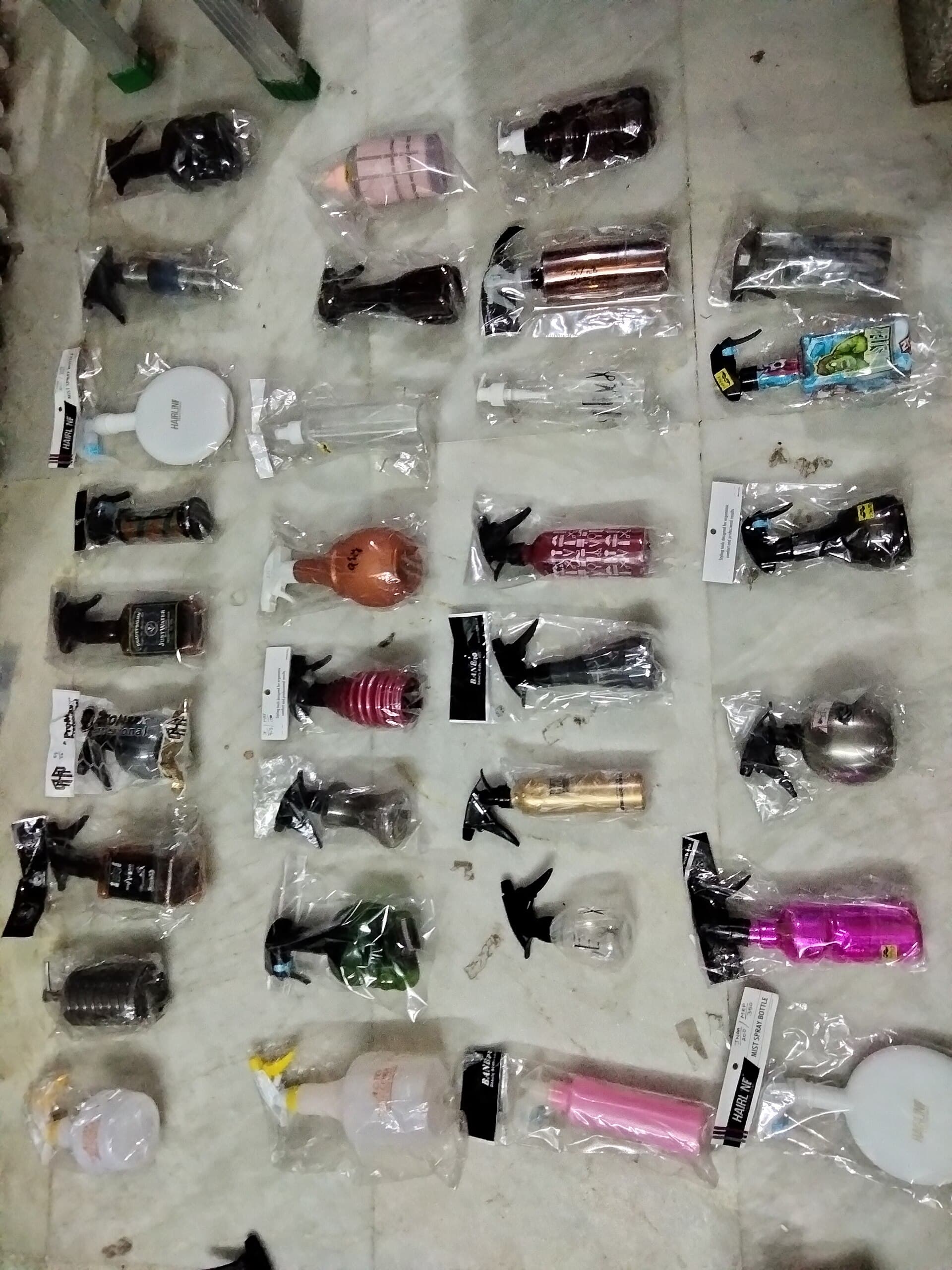
A green cleaning tender in Australia often dies in the lock-up. The submission has a certificate, a policy and a photograph of a labelled bottle. The store on Level 14 has a different bottle, a faded SDS and a concentrate decanted into a sprayer that once held something else. The assessor who only reads the PDF will award the claim. The assessor who opens the cupboard will not.
This sits in the sustainable cleaning hub because a label is a materials question, not a brand colour. We are not a certification body and we do not sell a range. We are here to say which pieces of paper still mean something when a night crew is actually on the floor.
The label that matters is the one on the trolley
Facility managers inherit two files that are not the same document. A management-system certificate says a company has a way of planning, recording and reviewing environmental work. A product ecolabel says a particular formulation, sold under a particular name, met a published standard for a stated period. Confusing them is how ISO 14001 becomes a substitute for looking at the spray bottle.
Write the distinction into the evaluation criteria before you go to market. If you are tendering a cleaning contract, a scored line that says “environmental credentials” without naming the instrument will be answered with whatever PDF is already in the bid folder. That is not assessment. It is filing.
The trolley is the audit. If the product in the caddy is not the product in the schedule, the rest of the claim is theatre.
GECA is Good Environmental Choice — one scheme, two names
Good Environmental Choice Australia is the organisation. GECA is the short name people put in a specification. They are not two labels. If a schedule asks for “GECA or Good Environmental Choice” as if a contractor could hold one and not the other, the schedule was copied from two brochures.
GECA runs a Type I ecolabel: a published standard, a third-party assessment, a licence with a number and an end date. The licence attaches to a product, not to a mop. A contractor who uses licensed products can show the licences. They cannot honestly say the company is “GECA certified” unless they are talking about a product they manufacture, which most cleaning contractors are not.
Ask for the current licence, the standard it sits under, the product name as sold, and the date it ends. Then match that name to the bottle. A licence for last year’s lemon variant does not cover this year’s “professional” rebrand if the licence has not followed the SKU. Expired licences are common in tenders that recycle a 2022 appendix.
GECA is not the only honest mark that appears on an Australian trolley. Imported concentrates sometimes carry another Type I ecolabel — the EU Ecolabel, Environmental Choice New Zealand, and a few others turn up in distributor catalogues. Treat those as named schemes, not as synonyms. If you will accept them, say so, and say who decides they are equivalent for this site. Silence is how a US Green Seal claim, written for a different regulatory system, lands in a Brisbane lock-up without anyone reading the scope.
ISO 14001 is a management system, not a floor cleaner
ISO 14001 sets out requirements for an environmental management system. A certification body audits whether the organisation plans, implements and reviews that system. It is a real standard. It is not a product test.
A contractor can hold ISO 14001 and still buy the cheapest solvent that will cut grease on a loading dock. They can also hold it and run a tight chemical list, a waste register and a water meter they actually read. The certificate does not tell you which contractor you have. The procedures, the site evidence and the store do.
Use ISO 14001 for what it can support: whether there is a method for incidents, waste, purchasing and review. Do not give it the same score as a current product licence. Do not let a corporate certificate for a parent company in another state stand in for the crew that will clean this tower. If the certified scope does not include the branch that will do the work, say so in the evaluation notes.
Self-declared claims sit lower still. ISO 14021 is the language for Type II statements — “biodegradable”, “plant-based”, “eco” — made by the person selling the product. Some are true and bounded. Many are adjectives. Refuse a sentence that cannot be opened to a standard, a licence or a test method.
Building tools get borrowed in the same muddle. NABERS and Green Star can push a tenancy towards certified products. They do not certify a night crew. A Green Star credit that asked for an ecolabelled range is not satisfied by a contractor’s ISO 14001 certificate and a scented aerosol.
Concentrates, dosing and the green claim that dies in a bottle
Concentrated chemicals are one of the few green claims that still make physical sense on a commercial contract. You stop shipping water across a city. You reduce drum count and liner count. You can, if the system is closed, stop a leading hand guessing a dilution with a capful.
You can also wreck the claim in a week. Over-dosing wastes product and puts more chemistry into the air and the waste water than the licence assumed. Under-dosing produces a dirty floor, which is how a tenancy decides “green doesn’t work” and goes back to a solvent that does. Ready-to-use bottles appear on night two because the dosing pump is broken, the wall chart is in English only, or the concentrate is in a store the relief cleaner cannot open.
Specify the dosing method. Closed-loop or measured pumps beat a “dilute as directed” line that nobody can inspect at 11pm. Put the dilution on the bottle in the same units as the label. If a product needs a dwell time, write the minutes next to the name. Pair the chemical list with the water and microfibre program so you are not buying a certified concentrate and then flooding a floor because the cloth program does not exist.
Concentrates do not excuse poor waste practice. Empty drums, contaminated rinse water and decanting into food jars are still waste the contract produces. A GECA licence on a full drum is not a disposal method for the empty one.
Greenwash that still gets through a tender
The usual patterns are boring, which is why they survive.
- A management-system certificate offered as proof of the product.
- A product licence that expired before the tender closed.
- A schedule of certified names and a store of substitutes “until stock arrives”.
- A fragrance used as evidence of cleanliness, including air freshener as a method.
- A corporate sustainability report with no site chemical list.
- A claim that the building is “GECA certified” because the contractor holds ISO 14001.
Substitution is where most honest programs fail. The specified product is out of stock. The distributor offers an equivalent. The leading hand accepts it because the floor is still there. If you did not write who may approve a substitute, and what “equivalent” means — same scheme, current licence, same use, SDS in the folder — you wrote a green schedule for month one only.
Mixing is the other failure. A certified range on the washroom shelf and a cheap solvent for “the hard jobs” is how occupants smell the contract. It is also how a green claim becomes a safety claim: the unlisted bottle is the one without a current SDS. That is a WHS problem dressed as procurement.
Brochure photographs of green bottles are not evidence. Ask for the licence PDF, then walk the store. Our editorial standards take the same view of adjectives that cannot be matched to a bottle.
What an assessor will actually ask
A serious assessor is not collecting logos. They are testing whether the claim can be walked.
They will ask to see the current licences, not a collage. They will match the product name, and the licence number if it exists, to the bottles on site. They will open the SDS folder and check it is the same product, in a language the crew can use. They will look at the pump, ask what happens when a product is unavailable, and ask who trained the night crew on this range.
They may ask about water, waste and indoor air, because a certified product used badly is still a bad method. The assessor who only scores the certificate will miss that.
If you are the buyer, sit in on one store inspection. If you are the contractor, treat the store as the tender. The PDF is the easy part.
What the specification should already say
You do not need a sustainability chapter that reads like a prospectus. You need a few lines that prevent the usual failures.
Name the product scheme you will accept — GECA, and any other Type I ecolabel you have decided is equivalent — and require a current licence for each named product. Score ISO 14001, if you want it, as a management system and not as a product proof. List products by use. Ban air freshener as a method. Require measured dosing, a named substitute approver, and an SDS folder that matches the trolley. Inspect the store, not only the foyer.
Safe Work Australia’s model WHS framework still expects a person conducting a business or undertaking to manage hazardous chemicals. An ecolabel does not retire that duty. The label and the SDS are different documents. Keep both.
If you want a single test, use the lock-up on a Thursday night. Read the schedule. Read the bottles. If they disagree, the tender did not survive contact with the building. A green contract is a list you can inspect, a dose you can measure, and a substitute you can refuse. It is not a logo in a submission.
Questions readers send us
- Is ISO 14001 enough to call a cleaning contract green?
- No. ISO 14001 says the contractor has an environmental management system. It does not say the product in the bottle is certified, low-hazard or even the product named in the tender. Ask for the current product licences as well, and then open the store.
- Does GECA certify the contractor?
- GECA licences products against its standards. A contractor can be a user of licensed products. That is not the same as the company itself being ‘GECA certified’. If a submission uses that phrase, ask which licence number sits on which SKU.
- Can we accept an overseas ecolabel instead?
- You can, if you name the scheme, check it is current, and map it to the surfaces and hazards on this site. Do not treat a US or European mark as automatically equivalent. Write the substitution rule before the first out-of-stock night, not after.
Continue in Sustainable cleaning
The waste a cleaning contract quietly produces
Liners, drums, spent pads and the difference between tenant rubbish and cleaner rubbish. Landfill versus comingled is a bay problem. Weighbridge theatre is a reporting problem.
James O'Connor · 19 August 2025
Water use and microfibre programs that cut chemical load
Colour-coded cloths, a laundry that does not wreck the fibre, and an auto-scrubber that is not a hose on wheels. Microfibre fails on grease and grout. Drought-era building rules still decide what you may pour.
James O'Connor · 15 April 2025