The real cost of tired carpet in a commercial tenancy
Appearance is a lagging indicator. Vacuum frequency, soil load, interim and restorative cleaning, AS/NZS 3733 and lease make-good decide whether a floor is maintained or quietly written off.
By Claire Nguyen · Facilities editor · 8 April 2025 · Updated 1 March 2026
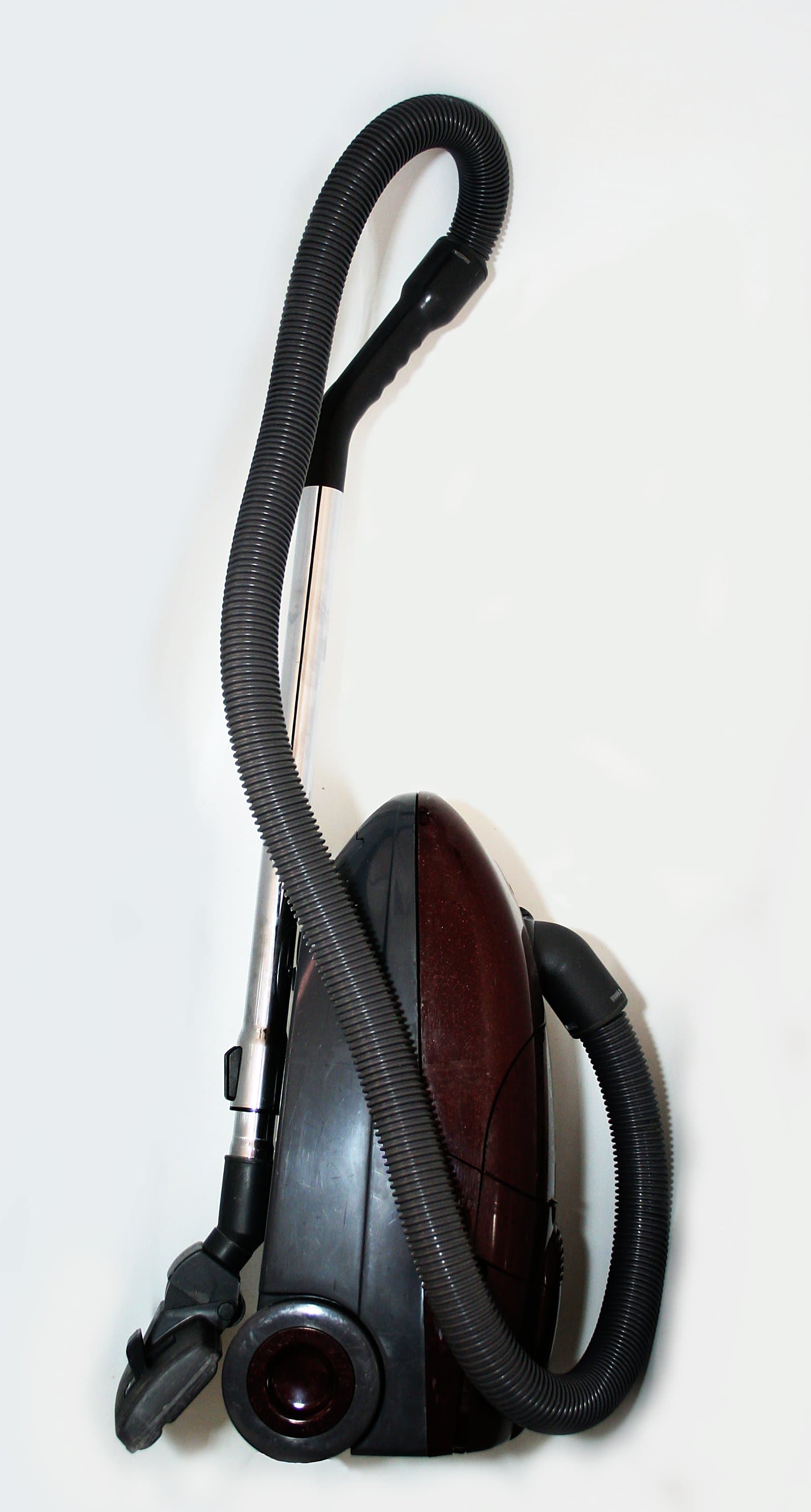
Carpet in an Australian commercial tenancy rarely fails in a week. It fades, greys at the walk-off, picks up a tea stain that became a map, and then, about eighteen months before lease expiry, someone looks down and realises the floor will not survive a make-good inspection. The contractor is invited to quote a restoration. The landlord’s agent takes photographs. The tenant discovers that an annual “steam clean” was never a maintenance program.
This is a facilities problem with a lease attached. The fibre, the walk-off, the vacuum, and the interim and restorative methods all matter. So does the sentence that said “carpets as required”. As required by whom is how floors get written off.
The workplace hygiene hub is here to say what care means, in the same inspectable language as our editorial standards.
Appearance is late information
People judge carpet from a standing position, often in the lighting the tenancy has at 9am. By the time a floor looks tired in that light, it has been holding soil for a long time. Dry soil that could have been vacuumed has been ground in. Oils from skin and food have bound to the fibre. The walk-off has become a reservoir that re-soils the rest of the floor every afternoon.
If you only inspect appearance, you will schedule restorative cleaning late, skip vacuuming because “it still looks all right”, and then spend money on a clean that cannot recover a crushed, greyed pile. Appearance is a lagging indicator. Soil load and vacuum frequency are leading ones.
A useful inspection is closer to the floor than a foyer glance. Look at the first three metres from the lift or the tenancy door. Look at the tea-point edge, the printer station, and the path to the washrooms. Those lanes carry the building. The under-desk field is a different job: less traffic, more crumbs, more chance a vacuum never goes there because chairs are not moved.
What AS/NZS 3733 is for
AS/NZS 3733 is the Australian/New Zealand standard on cleaning and maintenance of textile floor coverings. It is not a brand and not a warranty. It is the document a specification should name if you want “carpet care” to mean something a contractor, an inspector and a make-good assessor can all open.
The standard’s useful idea is that maintenance is a system: keep soil out, remove dry soil often, treat spots while they are spots, and use interim and restorative methods before the fibre is a write-off. It does not replace the manufacturer’s instructions for a particular product. It does not tell you that every open-plan floor in Australia must be extracted in March. Anyone who sells a single national frequency and stamps “3733” on the quote is using the number as decoration.
Cite the standard in the specification. Then write the site rules: walk-off expectations, vacuum frequencies by zone, the spot method, the interim method, the restorative method, and who authorises each. That is the same discipline as writing a specification a night crew can use.
Vacuum frequency versus the theatre of a machine
Most of the life in a commercial carpet is won or lost with a vacuum, not with a truck-mount. Dry soil is abrasive. Leave it in the pile and you help wear the fibre. Vacuuming only works if it happens often enough, in the right places, with a machine that still has suction, an intact bag or filter, and a brush setting that matches the pile.
Nightly vacuuming of traffic lanes is a common and reasonable office rule. Nightly vacuuming of every square metre under every desk is a different labour cost, and many prices do not contain it. Weekly edges and under-desk is a typical compromise. If your price was built on “vacuum open plan”, ask whether that means the lanes or the field. Then inspect at 7:30am under the desks.
A machine can look busy and do very little. Uprights with clogged filters, worn brushes and split hoses are common on night shifts. So are domestic machines doing commercial hours. If you care about this floor, the specification should say commercial vacuum, bags or filters changed on a stated rule, and a spare on site. Whether you buy or lease that equipment is a contractor decision until it becomes a result you can see on the fibre.
Filtration matters for more than the carpet. A vacuum that blows fine dust back into the tenancy is an indoor-air device, and not a good one. We take that up in indoor air quality and cleaning. The practical test: after a night attend, do the window ledges near the walk-off look worse? If they do, the soil is being relocated, not removed.
Spots are not the same as soil load
A coffee ring is a spot. A grey, greasy walk-off that no longer changes colour when you vacuum it is soil load. Treating them as the same job is how you get a technician with a spotting bottle on a floor that needs extraction, or an extraction on a floor that needed a treatment on the day of the spill.
Spotting belongs close to the event. The occupier has to play. A night crew will not see a red wine spill from a 4pm meeting unless someone leaves a note. Put a small written method on the tea-point cupboard: blot, do not rub; use the approved spotter; call the contractor if it is oil, paint or something that will set.
Soil load is managed by frequency and method. Walk-off mats — long enough, cleaned often enough, with a water-absorbing section if your climate warrants it — are cheaper than restorative cleaning. A two-metre mat on a wet Perth winter entrance is a gesture. The soil will walk. Food soil at a tea-point edge is a daily vacuum and periodic attention to the fibre. Printer toner is a specialist spot, not a reason to wet a whole bay.
Interim versus restorative
These words get used as synonyms on invoices. They are not.
Interim methods are the in-between: encapsulation, absorbent compound, bonnet work where it is still specified, and other low-moisture systems designed to pick up soil and leave the floor dry enough to use the same day. Done on a sensible cycle, they keep appearance up and reduce how often you need a full wet clean. Done as a cheap substitute for vacuuming, they polish the top and leave the grit.
Restorative cleaning is the deeper intervention — commonly hot-water extraction in Australian commercial work, sometimes called steam cleaning in conversation even when there is no meaningful steam. It is for when soil has gone beyond daily and interim methods. It needs dwell where the chemistry requires it, agitation where the soil requires it, and enough recovery that you are not leaving the tenancy wet overnight. Wet carpet is an indoor-air and a slip problem. It is also how you get a Monday morning smell that has nothing to do with the fibre brand.
A program that only buys restorative cleaning once a year, and starves the vacuuming, is a common Australian pattern. It produces a briefly brighter floor and a rapid return to grey. A program that vacuums honestly and interims the walk-off will often defer restorative work. That is the point of AS/NZS 3733 as a care logic: you do not wait for the funeral.
Say who authorises each level. Night crews should not invent a restorative clean because a director is visiting. They also should not be forbidden from an interim on a walk-off that is clearly past a vacuum. Put a trigger in the specification: appearance in named zones, a calendar, or a soil rating your inspector actually knows how to use.
Indoor air, make-good, and when replacement is cheaper
Textile floors hold dust and, if they are kept wet or chronically damp, the conditions for a smell occupants will describe as the carpet. Sometimes it is the carpet. Sometimes it is the underlay, a leak, or a wet extraction that did not dry because the air-conditioning was off all weekend. Do not treat a smell with perfume. Find whether the floor is wet, whether the walk-off is a dirt reservoir, and whether the vacuum is returning dust to the air.
If you extract on a Friday night in a building that shuts its outdoor air down until Monday, you have chosen a drying time. Own it. Replacement is sometimes the indoor-air decision as well as the aesthetic one. Spending restoratively on a glued-down floor with years of bound soil and damaged underlay can be a way of postponing a capital conversation.
Australian commercial leases usually require the tenant to return the premises in a stated condition. Carpet is one of the items agents photograph. Fair wear and tear is argued. So is whether the tenant maintained the floor. A cleaning program will not rewrite a clause that says replace. It can reduce the argument about neglect. Keep records: vacuum frequencies as performed, interim dates, restorative invoices with method and zones, and photographs of the walk-off every six months.
There is a point at which more chemistry is a waste. Crush that will not lift, failed seams, burns, and a dye lot that no longer matches a replaced bay are not cleaning fails. A restorative clean that buys twelve months of acceptable appearance in a lease with three years to run can be rational. The same clean on a floor that will be ripped up in a refit is not. Get the lease and the landlord’s position on the table before you instruct the contractor to “just get it back”.
If you change nothing else this month: name AS/NZS 3733 as the care reference, then write site frequencies by zone; separate nightly lanes, weekly field and periodic edges; name the vacuum standard and the filter or bag rule; separate spotting, interim and restorative, with a trigger for each; say who owns walk-off mats; say what happens after a leak. Then walk the first three metres from the door for a month and decide whether you are maintaining a floor or funding its replacement on the instalment plan.
Questions readers send us
- How often should commercial carpet be restoratively cleaned?
- There is no single lawful interval. AS/NZS 3733 sets out a care approach based on use and soiling, not a calendar slogan. A busy ground-floor tenancy may need interim work several times a year and restorative extraction when soil has gone beyond vacuuming. A quiet upper floor may need less. The lease and the specification should say who decides.
- Does a good vacuum replace hot-water extraction?
- No. Vacuuming manages dry soil if it is frequent and the machine is honest. Extraction and other restorative methods are for soil that has bound to the fibre. Skipping vacuuming and buying an annual 'steam clean' is how you pay twice and still look tired by November.
- Who pays for replacement at make-good?
- That is a lease question, not a cleaning question. Fair wear, damage, and whether the tenant's maintenance regime was reasonable all get argued. A documented vacuum and interim history is not a legal shield, but it is better than a story. Get the lease read before you invent a cleaning solution to a dilapidations problem.
Continue in Workplace hygiene

Indoor air quality is a cleaning job, not only an HVAC job
Dust reservoirs, vacuum filtration, chemical volatiles and damp after mopping sit on the cleaning side of a building. Plants will not save a tenancy that soils itself every night.
Claire Nguyen · 6 May 2025
High-touch surface protocols that survive a real Australian workplace
Lifts, door furniture, meeting rooms and shared keyboards need a protocol people will still follow on a wet Wednesday, not a laminated leftover from 2021. Dwell times, colour-coding and the limits of an alcohol wipe.
Claire Nguyen · 11 March 2025
After-hours office cleaning: what a facilities manager should actually inspect
A foyer walk at 8am is not an inspection. This is a practical route through kitchens, washrooms, glass, bins, high dust, security and the conversation you should have with the night supervisor.
Claire Nguyen · 4 February 2025