Warehouse and industrial floor care that lasts a forklift week
Concrete dust, oil, ride-on scrubbers, line marking and cold stores decide whether a warehouse floor lasts the week. Food-grade sites and 3PL sheds are not the same specification, even when the machine looks identical.
By Ellen Marks · Sector correspondent · 5 August 2025 · Updated 20 March 2026
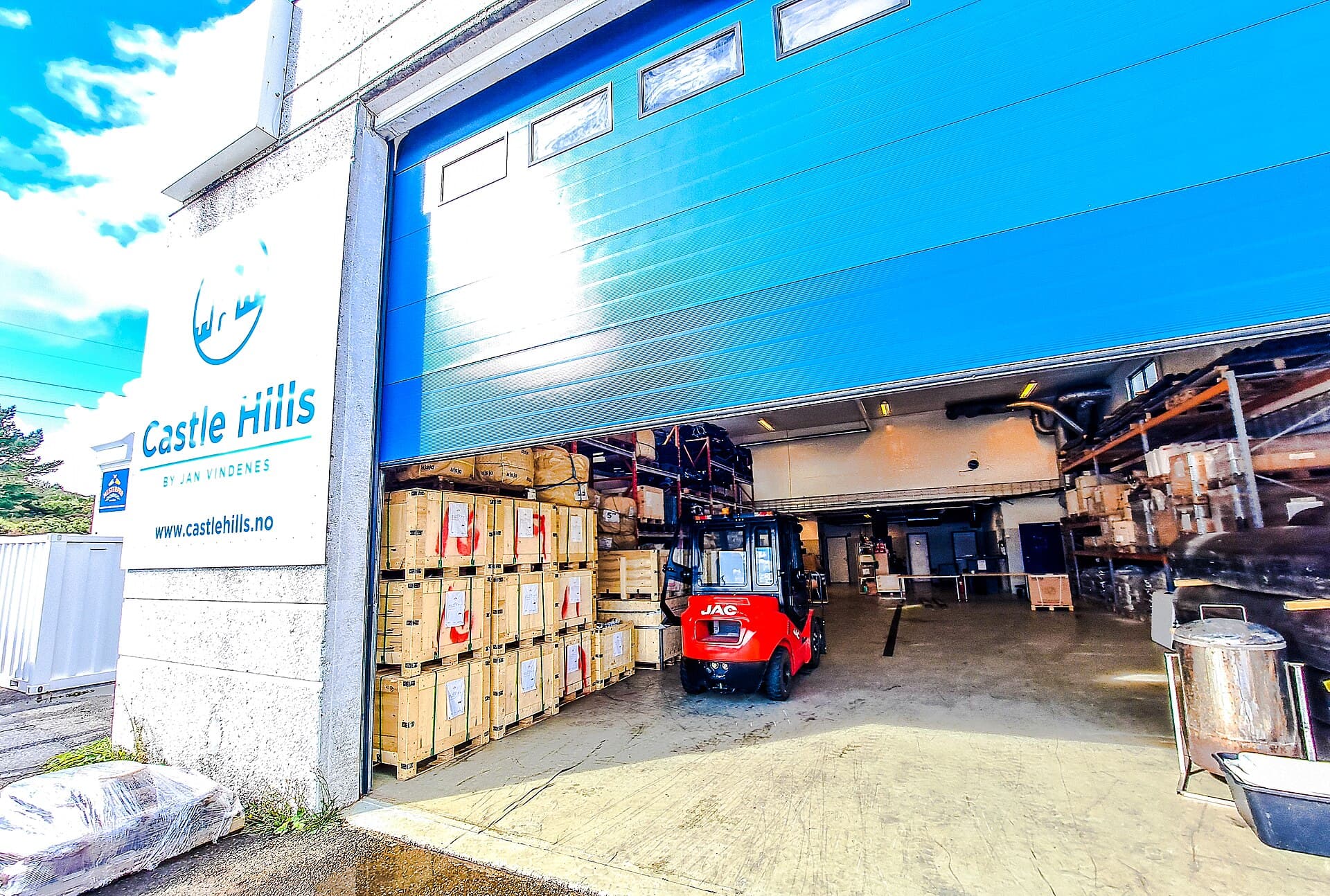
A warehouse floor is a working surface, not a finish. A floor that looks acceptable at 6am on Monday and is a dust rink by Thursday is not “high-wear concrete”. It is a soil-control problem that a ride-on is being asked to solve after the dust has already gone into stock and into the next shed along the row.
This is a sector guide, not a machine catalogue. Commercial Cleaners is not a contractor and not a flooring house. The useful questions are what the floor is, what lands on it, who drives on it, and whether the specification describes a method or a hope. If you need the document a leading hand can actually run, start with writing a commercial cleaning specification and then come back to the concrete.
Concrete dust is a process, not a bit of grey
Australian warehouse slabs dust. Some of that is the slab. Some of it is tracked quarry, unsealed yards, damaged joint filler, and a sweeper that only relocates fines. Treating all of it as “the concrete” is how nobody owns the control.
Dry soil wants a dry method first. A wide-area vacuum sweeper will do more for a dusty aisle than a wet mop that turns dust into paste and leaves it in the joints. Water on a dusty slab without pickup is a film. The film dries. People then say the floor “came back”. It never left.
A densifier is not a cleaning program. Write the zones: inbound dock, main traffic loop, pick faces, under racking, battery-charge, outside canopy. The loop is where the machine earns its keep. Under racking is where cardboard and a year of fines sit because no ride-on fits. If the site has a complaint about dust on cartons, look at the dock plates and the sweeper bags before you buy a new chemical. A bit of broom at the roller door will not stop a dry Queensland yard or a wet Victorian one. Scrapers, a stated sweep of the apron, and a door that is not left open for the shift are site rules. Cleaning cannot invent them.
Oil, battery charge and the spills that become the floor
Oil on a warehouse floor is a slip and a coating killer. A drip needs absorbent and a detergent that actually cuts oil, then a rinse and pickup. A bay that has been oily since the last tenant needs a degrease method and a decision about whether the slab coating has already failed. Do not put a citrus smell on a hydraulic leak and call it closed. Degreasers have a label, a dilution and an SDS, and they do not belong in a food-grade pick face because they worked in the workshop. See hazardous chemicals and SDS for cleaning teams.
Battery-charge areas add acid risk. Neutralise only with a method the site has written. Charge bays need their own kit and a cleaner who has been shown the room. Spill response has to be faster than the next forklift: isolate, absorb, clean, report. The specification should say whether the storeperson starts the absorbent or calls the cleaner. Waiting for a night machine to find a morning leak is how you get a hundred-metre track of oil.
Ride-on scrubbers: the machine is not the program
Most serious sheds eventually buy or lease a ride-on. That is the right class of tool for a large hard floor. It is also a favourite way to look busy. A scrubber removes soil if the pad matches the floor, the detergent matches the soil, the squeegee actually picks up, and the water is changed. Inspect the recovery tank, not the shine immediately behind the machine. Shine can be slurry.
Write the route. Traffic lanes first. Docks after the inbound peak. Pedestrian walkways as a safety clean, not leftover minutes. Under-rack as a periodic with a tool that fits. Whether the contractor buys or leases the equipment is their decision until the floor tells you the machine is too small, too tired, or never on site. Then it is your specification: class of machine, on site or brought, and what happens when it is down.
Ride-ons share aisles with forklifts. Pedestrian exclusion, headlights, a horn people actually use, and a rule about wet floors in a plant aisle are the job. Auto-scrubbers do not replace a sweeper on a dusty inbound. Sweep, then scrub. Write it in that order.
Line marking is a safety system you can mop off
Pedestrian crossings, keep-clear hatches, dock edges — warehouses run on paint and tape. Aggressive pads and a daily wet pass on a cheap acrylic line will take the marking off faster than the forklifts will. Then someone says the cleaners ruined the safety system.
Hold two programs in the same file. The floor program names pads and chemicals compatible with the marking the site actually has. The marking program names who inspects fade, who re-marks, and whether a strip-and-recoat includes a full remark. Waiting until a safety audit finds a ghost crossing is late. Temporary tape is still a trip if it lifts; say whether cleaners tear it or mop around it. Importing a general industrial degreaser onto a food or pharma coating is how you void a warranty.
Cold stores are a different planet with a drain problem
A freezer or chiller is not a cool warehouse. The floor is cold, often wet at the threshold, often icy, and always a slip conversation. Time in the room is limited. Doors left open for a scrubber become a refrigeration and a safety problem.
Write a cold-store method as its own page: who is allowed in and for how long; what soil you are actually removing — blood in a meat chiller is not carton dust; whether water is permitted, and where it goes; thresholds and airlocks, where most of the grit lives; defrost cycles that belong to refrigeration, not to the cleaner. Do not send a standard ride-on into a freezer because it fitted through the door. Blast freezers and production floors attached to a warehouse are food premises first. The warehouse specification stops at that door unless you have written a food-area method.
Food-grade warehouses are not a tidier 3PL
Ordinary 3PL sheds
A third-party logistics shed can be a competent industrial clean: dust, docks, amenities, a machine on the loop. The commodity might change. The specification has to survive that without pretending the floor is a showroom.
Food-grade space
Packaged dry goods, chilled food, a 3PL that holds supermarket inbound — these pick up extra expectations even when no one is cooking. Pest-proofing and bait stations. Spilt flour, sugar or oil as food soil, not as “a bit of product”. Water and drain discipline. A chemical set that will not flavour a carton. If the site sits inside a food-safety program, the cleaning schedule is evidence. A machine-hour log that nobody can read is not a schedule. Amenities tell the truth on both kinds of site. A warehouse can have a perfect traffic loop and a microwave that would fail a café.
What to walk in a forklift week
Walk the inbound apron and the first ten metres of slab. Look into the recovery tank, then at the squeegee. Look at a pedestrian crossing that sees daily traffic. Stand in a pick face and look under the first beam. Open the charge bay and, if you are allowed, the cold-store airlock. Ask the cleaner which aisle they skip when the machine is down.
If the honest answer is “the under-rack and the freezer”, you know what the price bought. A floor that lasts a forklift week is a soil-control system: dry first, wet with pickup, oil as a spill, marking as a safety system, cold rooms as their own method, and a food-grade site written as food. The shine behind a ride-on on Monday morning is not that system. It is only the photograph.
Questions readers send us
- How often should a ride-on scrubber go through a busy aisle?
- As often as the soil and the traffic require, which is a site answer, not a brochure answer. A dry-goods 3PL may need a scheduled machine pass on the traffic lanes several times a week and a wider scrub less often. A food-grade or oil-soiled floor may need the lanes every operating day. Write the zone and inspect the floor, not the hours on the machine key.
- Can we scrub over worn line marking?
- You can, and you will wear it faster. Line marking is a safety control for plant and pedestrians. If the scrubber is polishing it off, the floor program and the marking program need to meet — a more compatible paint or tape, a different pad, a dry sweep before the wet pass, or a recumbent remarking schedule. Do not treat faded pedestrian crossings as a cleaning aesthetic.
- Is a food-grade warehouse just a cleaner 3PL?
- No. Food-grade space picks up food-safety expectations, allergen rules, pest pressure and a different attitude to water, drain and chemical. A 3PL shed can be a competent industrial clean and still be the wrong method for packaged food or cold-chain goods. Write the commodity, not the racking height.
Continue in Sector guides

Cleaning an early learning centre without turning it into a hospital
National Regulations, toys, nappy change, sandpits and chemical choice around children. After-hours work does the floors; during-session work does the mess. Neither needs a hospital protocol copied onto a kindy trolley.
Ellen Marks · 16 September 2025
Hotel and hospitality back-of-house hygiene
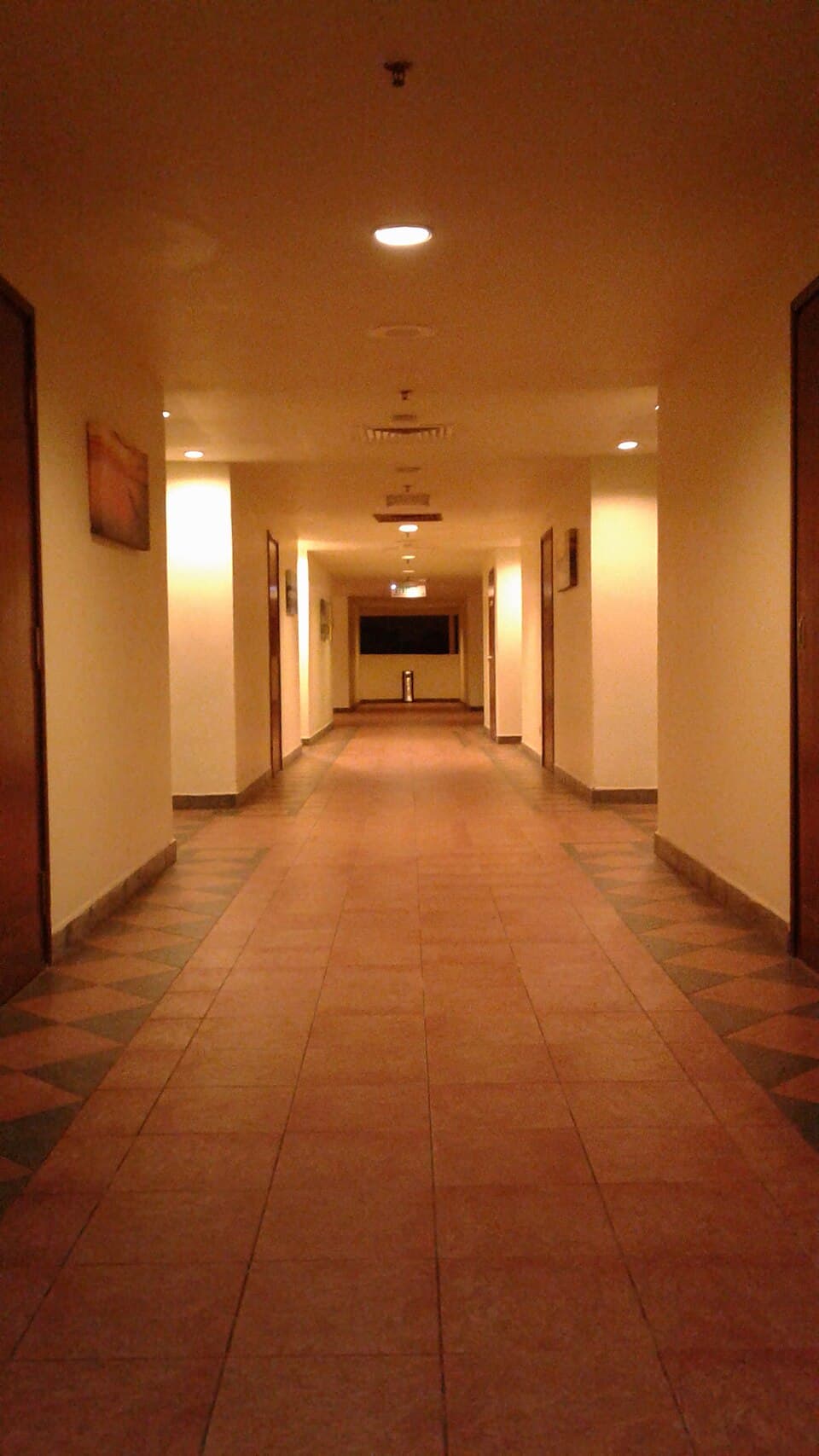
Guests see rooms and a lobby. Councils, auditors and night auditors see kitchens, linen, grease and the dock. How hotel housekeeping and back-of-house cleaning actually split, and what an outbreak does to that split.
Ellen Marks · 17 June 2025
School and university cleaning: term-time versus holiday programs
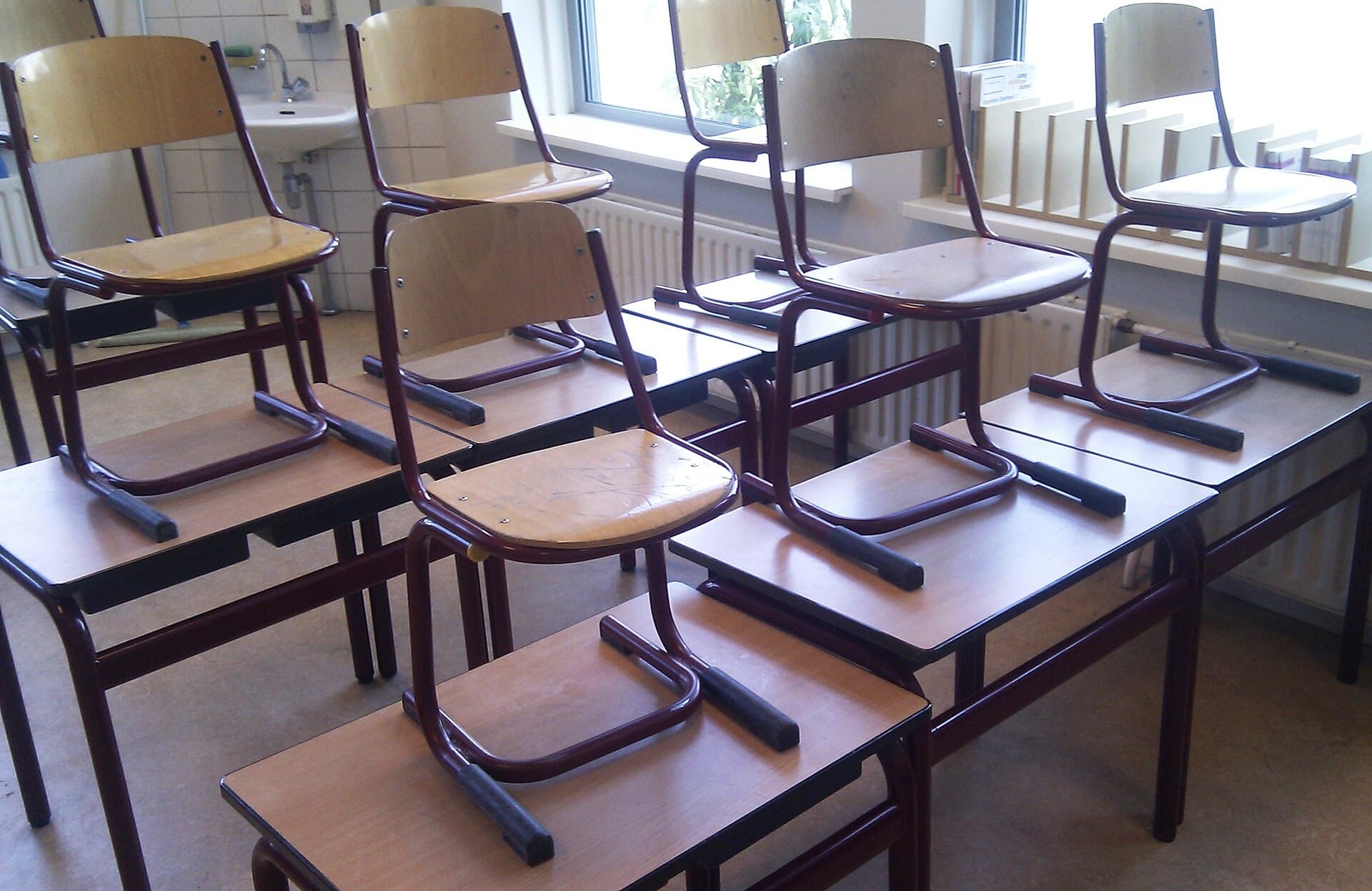
Term-time cleaning is toilets, traffic and child safety. Holiday programs are strip-and-seal, labs and the work you cannot do while a school is full. Universities add 24-hour libraries and a graffiti problem that does not wait for the holidays.
Ellen Marks · 29 April 2025