Cleaning an early learning centre without turning it into a hospital
National Regulations, toys, nappy change, sandpits and chemical choice around children. After-hours work does the floors; during-session work does the mess. Neither needs a hospital protocol copied onto a kindy trolley.
By Ellen Marks · Sector correspondent · 16 September 2025 · Updated 22 March 2026
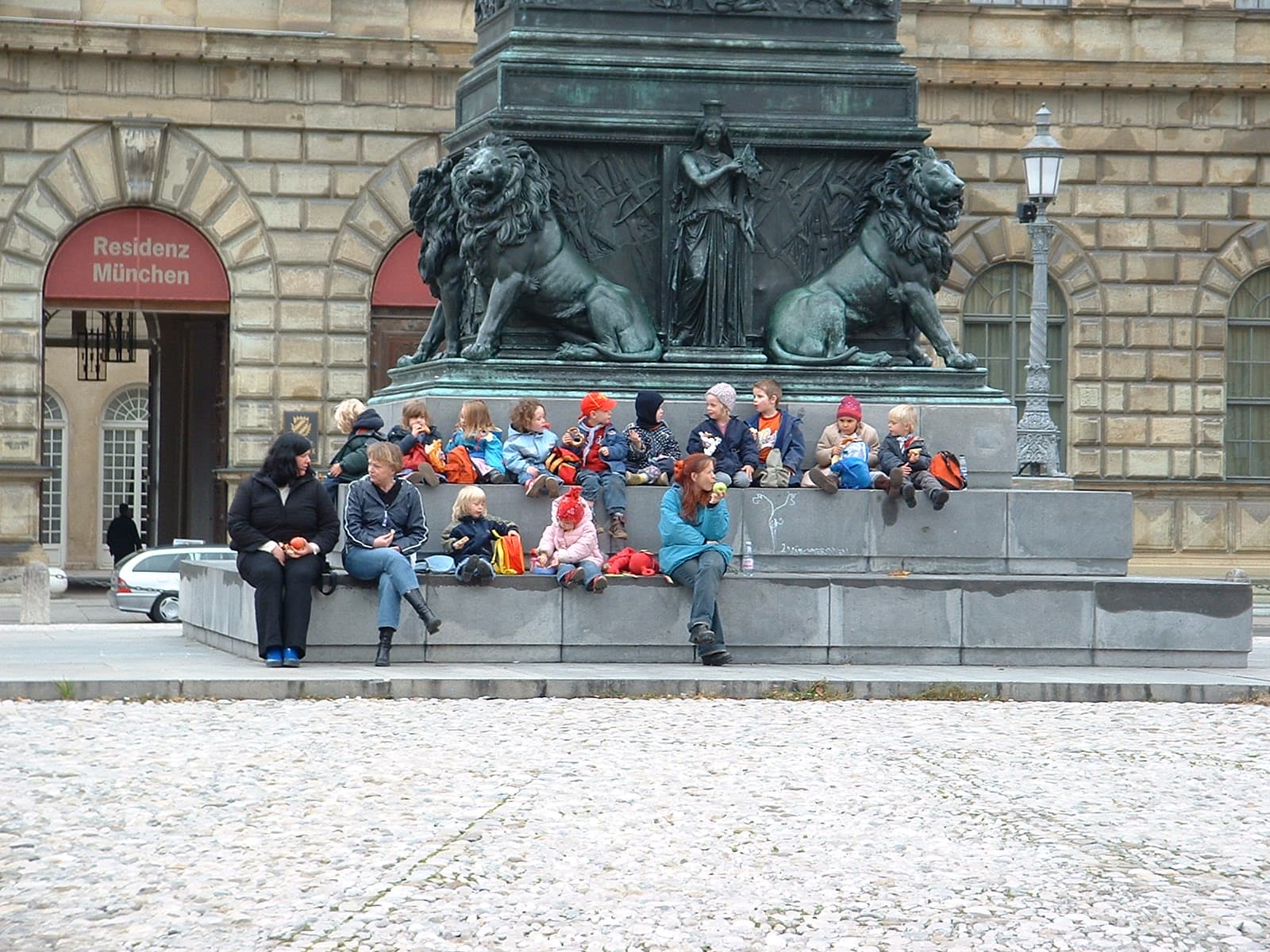
An early learning centre is a workplace for educators and a home-from-home for people who put toys in their mouths. That is the whole problem. Import a hospital protocol and you will specify products and dwell times the roster cannot honour and the children should not live in. Import an office specification and you will miss the nappy-change bench, the sandpit and the basket of plastic animals that has not been washed since last season.
This is a sector guide, not a health manual and not a contractor brochure. Commercial Cleaners is not an approved provider. The cleaning specification has to turn “keep the premises clean” into rooms, tasks and a chemical set that can sit near a two-year-old without pretending the building is a ward. For the clinical end of the spectrum, see medical centre cleaning standards. A kindy is not a clinic. The shared idea is classification: different rooms, different soils.
What the National Regulations actually require of a clean
The Education and Care Services National Law and the Education and Care Services National Regulations apply in the states and territories that have adopted them. Regulation 77 requires health and hygiene practices that minimise risk. Other regulations deal with premises, laundry, toileting and nappy change. Quality Area 2 of the National Quality Standard sits over the top as the assessment language services already know.
None of that is a task list. “Premises clean” does not say who washes the duplo, whether the sandpit is raked on Friday, or which bottle may sit under a sink a child can open. The approved provider still has to write those rules. The cleaner still has to follow them at 6:30pm when the last educator wants to leave. What the regulations force is seriousness about bathrooms, nappy-change, sleep rooms, food areas, outdoor play, and the laundry. A gleaming director’s office and a sticky change mat is not compliance.
Child-safety clearances still apply. A cleaner in a centre is in a children’s service. The relevant working with children check, Blue Card or working with vulnerable people registration is a site rule, with less room to claim the person was “only in the kitchen”.
Toys are a program, not a tub of wipes
Toys are the high-touch surface a centre cannot hide. They are mouthed, shared, dropped in a bathroom and put back in the wrong basket. A high-touch protocol that only names door handles will miss the point.
Hard, washable toys. Detergent and water, regularly, and more often when they have been in mouths. A dishwasher on a hot cycle is a method some services use for plastic that can take it. A disinfectant after cleaning is a policy choice that has to match the label — contact time, rinse if required — and nothing left wet in a basket for a child to find at 7am.
Soft toys and dress-ups. Launder, on a stated frequency, or remove. Spraying a teddy is how you get a damp teddy.
Cardboard, books, comfort items. You cannot honestly disinfect a cardboard book. Rotate or discard when soiled. Educator-owned comfort items are not a cleaner’s decision.
Who washes mouthed toys during the day is usually educators. Who washes the bulk at the end of the week can be the cleaner, if the method and the sink are real. “Sanitise all toys nightly” will produce a scented spray over a pile. Floors in play rooms are toy-adjacent. Children eat off them. Food soil on vinyl wants detergent. Carpet in a toddler room needs a vacuum that actually happens, not a bleach halo.
Nappy change is two jobs
The change procedure — one child, one wipe-down of the mat, hand hygiene, the right bin — belongs to educators. It is a care practice, not something to outsource to a person who arrived to mop.
The environmental job belongs to whoever cleans the room when it is released: bench and mat, splash zone, taps, floor, pedal bin. Soiled-nappy streams need bags, lids, and a collection rhythm that does not leave a full bin over a long weekend. A cleaner who empties a nappy bin does not then use the same gloves on a kitchen bench. A change room that still has a child on the way through is not released. A room “finished” by an educator at 5:15pm still needs a floor. Odour is usually a bin, a drain or a missed mat, not a reason to hang a pine tree from the tap.
Vomit in a cot room or a toileting accident in the book corner sit closer to a spill method than to a general wipe. Detergent, then a disinfectant the label supports, a soiled-linen bag, and a person who has been shown the kit. Do not ask a cleaner to treat a child.
Sandpits, mud kitchens and the outdoor edge
Outdoor play is why centres do not look like clinics, and why specifications written at a desk fail in the yard.
A sandpit is raked, inspected, covered if the service has a cover, and occasionally refreshed. Animal faeces in a pit is a contamination event, not a raking job. Name who rakes and who decides the sand is spent. The cleaner may own the rake. They should not be the only person who notices the cat.
Mud kitchens and water troughs. Emptied, washed, left so they do not become a mosquito or a smell. Softfall and paths collect food, sand and bird soil; a hose can move sand into a drain it then blocks. The laundry is a hygiene room: dirty and clean do not share a wet bench. Walk-off mats that are actually vacuumed will do more than a scented mat at the gate.
After-hours versus during-session
The honest split is the same idea as retail, with children instead of customers.
During session
Only what cannot wait and what can be done without a wet, chemicalised play room: bathrooms, a lunch reset, a spill, replenishment, a full nappy bin. If a cleaner is on site during session they work from a closed caddy, on a short list, in rooms the service has agreed.
After the last child
Floors, toilets, bottle-prep if that is in scope, the change-room reset, bins, laundry, the outdoor edge if daylight allows. This is the attend that keeps the service from starting Tuesday on Monday’s floor.
A centre that only buys after-hours will always have a day-time bathroom problem. A centre that asks the cleaner to “just work around the children” at 5:45pm will get a rushed floor and a wet path to the gate. Write the last pickup time as the start of the clean, or write a paid overlap with a named list. Sleep-room linen is usually the service’s roster. Mattresses can sit in the environmental clean. A child’s comfort blanket cannot. Bottle-prep is a food premises on a small scale. If the cleaner is in that room, they need a food-area method, not a pine wipe.
Chemical choice around children is subtraction
The trolley is the risk. Children sit on floors, suck fingers, and open cupboards that are “out of reach” for an adult’s imagination. Keep the set small: a detergent that can do floors, benches and toys; a disinfectant whose label matches the jobs you will actually use it on — body fluid, bathrooms, a stated toy step — not a fog for the whole centre. Nothing unlabelled. Nothing decanted into a drink bottle.
Read the SDS for the people using the product and for the fact that the residue will be in a room of children. See hazardous chemicals and SDS for cleaning teams. Contact times that cannot be honoured on a vertical toy should not be claimed. Fragrance is not hygiene. Storage is locked, high, not under a child’s sink. A child-safety clearance does not make a bleach bottle safe. GECA can sit on the detergent side where it fits the soil. It does not replace a product indicated for a body-fluid spill. “Natural” is not a standard. “Hospital-grade on every surface” is not a childhood.
What to inspect without performing a raid
Walk it as a centre, at the hour you are judging. After-hours: toddler-room floors, the change bench, the bathroom a child uses, the chemical lock, the laundry split, the sandpit cover. During session, if you must: whether the cleaner is in a live play room with a bucket.
Ask who washes mouthed toys, who rakes the pit, and what happens when a child vomits in a cot. If the cleaner and the educator give two different answers, the Regulations are being met on paper and the room is being met by habit. The aim is a place that is clean enough to be kind in: bathrooms that work, a change bench you would use, toys that have a method, chemicals a child cannot find, floors washed after the day and not perfumed during it. A hospital is for a different job. If you want one, you are in the wrong building.
Questions readers send us
- Do we need hospital-grade disinfectant on every toy?
- No. Toys need a method that matches how they are used and what they are made of. Hard, washable toys that go in mouths need regular washing with detergent and water, and a disinfectant step where the service's policy and the product label support it. Soft toys, cardboard and anything that cannot be wetted need a different rule — often remove, launder or discard — not a spray that leaves them damp in a basket.
- Can cleaners work in a room while children are in session?
- Only if the service has agreed the tasks, the chemical set and the supervision, and only for work that can be done without turning the room into a wet floor. A during-session attend is usually spills, bathrooms, nappy-change support surfaces and a lunch reset. Floors, high dust and anything with a strong chemical belong after the last child has gone, unless the approved provider has written a tighter rule.
- Who owns the nappy-change bench at the end of the day?
- Educators own the change procedure and the wipe between children. The cleaner owns the environmental reset: the bench, the floor, the bin stream, the dispenser, the splash zone, once the room is released. If those two jobs are not written down, you get a bench that was 'already done' and a floor that was not, or a cleaner asked to finish a change they should not be performing.
Continue in Sector guides
Warehouse and industrial floor care that lasts a forklift week
Concrete dust, oil, ride-on scrubbers, line marking and cold stores decide whether a warehouse floor lasts the week. Food-grade sites and 3PL sheds are not the same specification, even when the machine looks identical.
Ellen Marks · 5 August 2025
Hotel and hospitality back-of-house hygiene
Guests see rooms and a lobby. Councils, auditors and night auditors see kitchens, linen, grease and the dock. How hotel housekeeping and back-of-house cleaning actually split, and what an outbreak does to that split.
Ellen Marks · 17 June 2025
School and university cleaning: term-time versus holiday programs
Term-time cleaning is toilets, traffic and child safety. Holiday programs are strip-and-seal, labs and the work you cannot do while a school is full. Universities add 24-hour libraries and a graffiti problem that does not wait for the holidays.
Ellen Marks · 29 April 2025