Hazardous chemicals and SDS duties for cleaning teams
GHS labels, current safety data sheets, decanting, the bleach-and-acid mistake, storage, induction, and the split of duties between a PCBU host and a cleaning contractor. The folder in the store only counts if it matches the trolley.
By Tom Bradley · Compliance correspondent · 3 December 2024 · Updated 28 January 2026
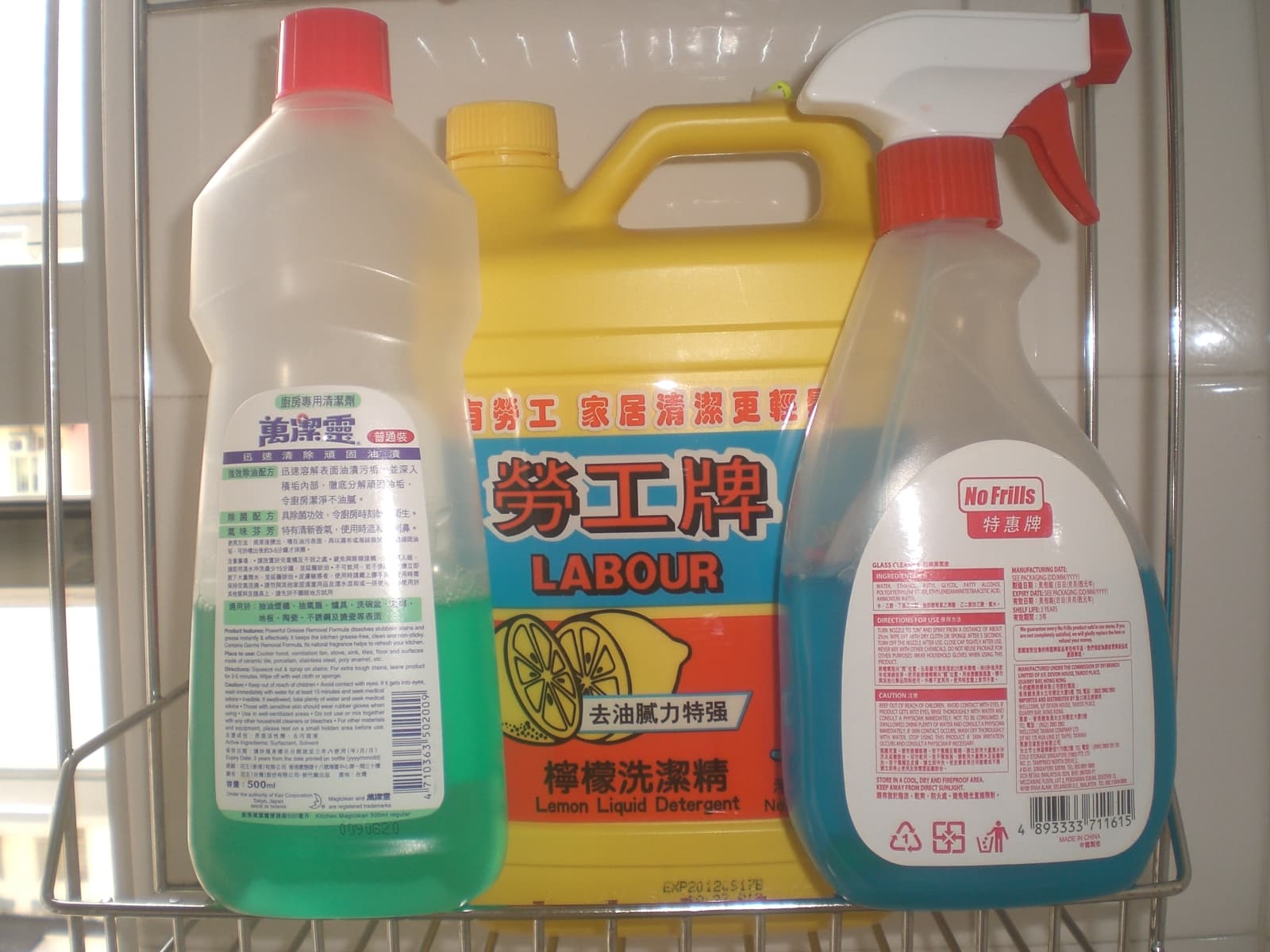
A cleaning store with a fat folder of safety data sheets is a common Australian comfort. The folder is often older than the leading hand. The spray bottles are often unlabelled. The product on the trolley is often not the product in the tender, and somewhere on a high shelf sits a bottle of something acidic next to a chlorinated compound because both were “for the toilets”.
This sits in the safety and compliance hub because chemicals are a duty, not a catalogue. Commercial Cleaners is not a contractor and not a dangerous-goods consultant. The job of this piece is to make the trolley match the paperwork, and the paperwork match the law you already have.
GHS labels are the ones on the bottle, not the ones in the brochure
Australia uses the Globally Harmonized System of classification and labelling. The pictograms, signal words and hazard statements on a workplace label are how a person who did not sit in the procurement meeting knows what they are holding. Safe Work Australia publishes the model WHS regulations and the codes that sit under them. The state and territory Acts implement the same basic idea: if a chemical is hazardous, it is labelled, it has an SDS, and workers are told.
A cleaner does not need to recite category numbers. They need the product name that matches the SDS, the hazards that matter — irritant, corrosive, toxic if mixed, flammable — and, on a decanted bottle, a label that survives a wet store. A contractor sticker that says “Bathroom” and a lemon is not a GHS label. If you dilute on site, the secondary container is the one that matters.
GECA and other green cleaning certifications do not suspend labelling. “Green” is not a signal word. If the tender asked for certified chemistry, the trolley should match, and those bottles still need SDS and labels.
SDS currency is a review, not a shrine
A safety data sheet is the manufacturer or importer’s statement of hazards, first aid, storage, PPE and disposal. Under the model WHS framework, manufacturers and importers must prepare an SDS and review it at least every five years, or sooner if they change the product or learn something that alters the hazards. Suppliers must provide it. A person conducting a business or undertaking who uses the chemical must obtain it, make it accessible, and use it in the risk assessment.
What “current” means in the store
That is the law in outline. The store version is simpler.
- Every product on the trolley or the shelf has an SDS
- The SDS is for that product, not for a cousin with a similar name
- Someone can find it at 11pm without phoning an office that is closed
- The date and version are not a museum piece
- The language is one the crew can actually use, or there is a trained bilingual leading hand and pictograms that match
A PDF library in head office is not access. Nor is a locked cabinet whose key is with a day cleaner. When a product is withdrawn, remove the SDS and the bottle. When it is substituted, treat it as a new induction. If nobody on site can say what PPE the acidic descaler wants, the folder is decoration.
Decanting is where systems go to die
Decanting and dilution are ordinary. They are also how cleaners get a faceful of concentrate, or a bottle that a colleague later uses as water.
Write a method and put it on the wall of the store:
- Which products may be diluted on site
- The dilution, in the units on the label — not “a squirt”
- Which bottles are for which product, preferably by colour or a printed label, not by folklore
- When bottles are emptied, rinsed and relabelled
- That food and drink containers are never used
- That you do not top up a half-full bottle of unknown age with a new mix
Automatic dosing is a control until someone bypasses an empty unit. Keep a labelled manual method. Mixing two products to “make it stronger” is a new chemical you have not assessed. Ban it, then check. The ban is what people forget when a bowl is stained.
Bleach, acids, and the other famous mistakes
Sodium hypochlorite (household or commercial bleach) and acids — including many toilet descalers, some rust removers, and the odd “grout restorer” — can produce chlorine gas when mixed. This is not a trivia fact. It is a recurring incident type in washrooms and stores. Ammonia and bleach have a similar reputation for chloramine. The SDS will say so, in language that is easy to skip.
Controls that work:
- Do not store bleach next to acids
- Do not put both on the same washroom caddy as “options”
- Do not use bleach as a general office cleaner
- If bleach is in scope — outbreak, mould on a hard surface, a specified washroom method — it is a named product with a named job, PPE and ventilation
- Never “ freshen” a bowl that still has a descaler in it
Fragrance is not a hazard control. A lemon smell over a chlorine mistake is how people stay in the room.
Solvent graffiti wipers and leftover oven products from a previous contractor leave the building if you have no job and no trained person for them. A mystery bottle is a disposal job. Read the SDS for incompatibles before you invent a store layout.
Storage is a room with rules
A cleaners’ store in a CBD tower is often a cupboard that also holds Christmas decorations and a ladder with a bent foot. Treat it as a chemical store anyway.
- Ventilated enough for the products you keep. A sealed cupboard of concentrates in a basement is a headache factory.
- Bunding or a tray for liquids, so a leak is not a slip and a drain problem.
- Segregation of incompatibles.
- Original containers closed. No open decant drums with a rag for a lid.
- Below temperatures the SDS hates. Next to a hot-water unit is a common piece of thoughtlessness.
- Not above shoulder height for concentrates you pour every night, unless you like splash injuries.
- Locked from the public, open to the crew who need it. A store that only the day porter can open is why night crews leave bottles on trolleys in corridors.
- A register that matches what is there. The register is a working list, not a tender annex.
Flammables need more again. Most office stores should not be in dangerous-goods territory. If they are, someone has been collecting. Keep a spill kit for a dropped concentrate, with PPE, and do not hide it behind the dead machine.
Induction is the only training that happens before the first pour
Training commercial cleaners is a wider subject. Chemicals need a specific block, on site, with the actual bottles.
Show the store. Show the SDS folder or the working digital access. Show the label. Get the person to dilute one product you actually use, with PPE, and to name the washroom product they must not mix. If English is a second or third language — true for a large share of this workforce — do not perform this as a lecture in a stairwell. Short sentences. Point. Repeat. Pictograms that match the wall.
Re-induct when the range changes. Do not rely on a generic online module with a laboratory and a white coat. The risk is a spray bottle in a cubicle at 10:40pm. Young workers and relief staff pour concentrate neat because nobody said otherwise. The WHS Acts expect information, training and instruction that are actually used.
PCBU versus contractor is not a blame diagram
Under the model Work Health and Safety laws used in most Australian jurisdictions, a person conducting a business or undertaking has duties to workers and others. A host occupier is a PCBU. A cleaning contractor is a PCBU. A labour-hire firm, if one is in the chain, is a PCBU. Duties overlap. WHS duties when cleaners work in someone else’s building is the broader version of that meeting. Chemicals are the version that lives on a shelf.
A practical split that usually holds:
Contractor — chooses and supplies the products (unless the contract says otherwise), keeps SDS current for those products, labels what they decant, trains their workers, assesses the tasks, brings compatible PPE, takes their waste and empty containers out in a way the building will accept.
Host — provides a store that is fit for the products they have allowed, says if the building bans particular chemistry (bleach, solvent, fragrance), discloses any building-owned chemicals left in that store, does not add mystery bottles, gives the crew enough air and water to use products as labelled, and does not instruct a cleaner to mix or to use a product off-label to save a Friday.
Both — consult, share SDS for anything the other side might reasonably encounter, and stop work that is clearly unsafe. A host who says “just use whatever is under the sink” has given an instruction. A contractor who says “we comply” and cannot produce a sheet has not.
Victoria’s Occupational Health and Safety Act uses different nouns and the same idea: you cannot contract out the duty. A purchase order that says the contractor is “solely responsible for chemicals” is useful for invoices. It is not a legal strategy.
If the host specifies GECA-only, that is a register clause. If the contractor brings a hospital-grade disinfectant for an outbreak, that is a change to the register and the induction, not a van surprise.
On a store walk, ask: is every open bottle labelled? Can we open an SDS for what is actually here? Where is the bleach, and where is the acid? Who showed the newest person how to dilute? What did we ban, and is it still on the shelf? If that takes a week’s notice, you have a folder, not a system. Make the folder true.
Questions readers send us
- How current does a safety data sheet need to be?
- Current enough that it is the manufacturer or importer’s latest issue for the product actually on the trolley, and that someone on site can find it. Australian WHS regulations expect manufacturers and importers to review SDS at least every five years, or sooner if the product changes. A folder of 2014 sheets for brands you no longer buy is not a system.
- Can cleaners decant chemicals into spray bottles?
- Yes, if the smaller container is labelled with the product identity and the hazards, the dilution is the one on the label or SDS, and the person has been shown how. An unlabelled bottle of ‘the blue one’ is a duty failure, not a shortcut.
- Who is responsible — the building or the contractor?
- Both, as PCBUs whose duties overlap. The contractor usually owns the products they bring and the training of their workers. The host owns the store conditions, any building chemicals left on a shelf, and the information the crew needs about the site. Neither can point at the other and stop.
Continue in Safety and compliance
Infection control after a workplace outbreak — beyond a deep-clean invoice
Gastro and respiratory clusters ask different things of a workplace. The PCBU, the public health unit, the limits of fogging, and the decision to close a floor sit above a single invoice for a Sunday clean.
Claire Nguyen · 8 July 2025
Food premises cleaning: what local councils actually look for
FSANZ sets the Code, states write the Food Acts, council EHOs walk the floor. Cleaning schedules as evidence, allergens, grease traps versus floor soil, and the point where pest control and cleaning have to meet.
Ellen Marks · 20 May 2025
WHS duties when cleaners work in someone else's building
Overlapping PCBUs, night access, lone work, plant, asbestos and lead registers, and consultation. A cleaning crew in a host building is not a visitor who left their duties in the van.
Tom Bradley · 4 March 2025