WHS duties when cleaners work in someone else's building
Overlapping PCBUs, night access, lone work, plant, asbestos and lead registers, and consultation. A cleaning crew in a host building is not a visitor who left their duties in the van.
By Tom Bradley · Compliance correspondent · 4 March 2025 · Updated 16 February 2026
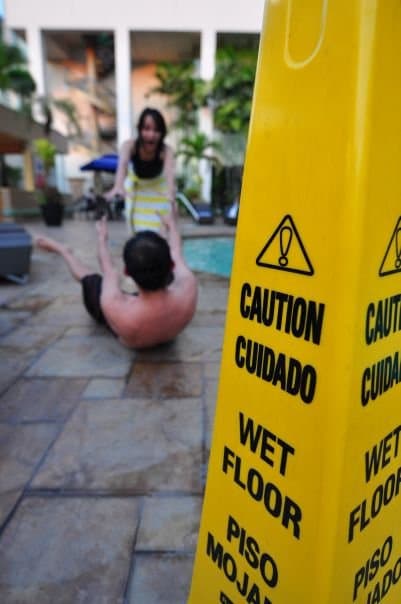
A night cleaner in a multi-tenant tower is employed by one business and standing in another. Sometimes a third business holds the keys. A fourth runs security. The model Work Health and Safety laws used in most of Australia have a word for this: more than one person conducting a business or undertaking, with overlapping duties. The purchase order does not collapse them into one logo.
This sits in the safety and compliance hub because a host who says “they’re the contractor” has not finished the sentence. Commercial Cleaners is not a regulator and not a contractor. The useful version is who does what at 11pm, when the building is empty and the duty is not.
Overlapping PCBUs, in a building that was not designed around a mop
Safe Work Australia’s model WHS Act, implemented in most jurisdictions, puts a primary duty on each PCBU to ensure, so far as is reasonably practicable, the health and safety of workers and others. “Worker” includes an employee, a contractor, and a contractor’s worker. “Reasonably practicable” is not a slogan. It is a weighing of likelihood, degree of harm, what is known, and the availability and cost of controls.
A cleaning contractor is a PCBU. So is the occupier. So is the building manager if they are running a workplace. So is a labour-hire firm if one is supplying the bodies. Victoria uses the Occupational Health and Safety Act 2004 (Vic) rather than the model Act. The nouns differ. The idea that a principal cannot hide behind a contractor on their site does not.
Consult, cooperate and coordinate
The model regulations also require PCBUs who share a duty to consult, cooperate and coordinate. That is the meeting nobody diaries. It should produce a short, shared picture:
- Who inducts for the site — alarms, asbestos, plant rooms, first aid, emergency
- Who inducts for the task — chemicals, machines, colour-coding, waste
- Who controls access after hours
- Who is called when a card dies, a lift traps someone, or a person does not check out
- Who owns which plant
- Who stops work
If that picture exists only in two unread SWMS documents, you do not have coordination. You have files. Hazardous chemicals and SDS duties are the chemical chapter of the same meeting. The rest of this piece is the building.
A host who specifies the method — bleach in the showers, mop the roof plant — has given a direction. Directions come with duties. A contractor who accepts a one-person price on a two-person site has given a direction to their own roster.
Night access is a security system wearing a WHS problem
After-hours cleaning sits inside access control, alarms and a security contractor who was not asked about mops. Cards expire. Relief staff inherit last year’s tenancy. A PIN is written inside a cupboard. A cleaner is asked to stay after egress so someone can finish a tour. A detector is taped because it false-alarms.
Each of those is a WHS issue. A person locked on a floor, or working under a disabled detector, is a host problem. A contractor who props a fire door is a contractor problem. Write the access rule. Last person out is a trained task: show them, at night, and give them a number that answers. A building emergency plan that lists day wardens and nobody after 8pm is a plan for a different workplace. Do not ask a cleaner to disable life safety. The model duties do not pause for a quality walk.
Lone work is the default, even when the roster says two
A pair who split a tower — one on 14 to 20, one on 8 to 13 — are lone workers who started a shift together. A single cleaner in a suburban office while the receptionist’s radio sits at a dock is lone. A day porter who is also the only person on a floor during a public holiday is lone.
Reasonably practicable controls are ordinary:
- A check-in that someone notices. A WhatsApp to a supervisor who is asleep is not a control unless another person is rostered to watch it.
- A duress method that works in a basement and a plant room, not only in the foyer.
- A rule for what happens if check-in is missed, practised once.
- No high-risk tasks while alone: the roof, a live dock with trucks, a confined space you should not have been in anyway, a machine the SDS or the manual wants two people for.
- A right to leave if access fails or if the building feels wrong, without a commercial punishment the next morning.
Night-shift fatigue sits beside lone work. A person who started a school at 4pm and your tower at 9pm is a different risk from a dedicated attend. The contractor owns the roster. The host owns the building in which that roster is dangerous. If you accept a one-person price on a site that needs two, you helped design the risk.
Plant is anything with a plug or a battery that can hurt someone
Vacuums, scrubbers, extractors and high-dust poles are plant. The person who manages the plant keeps it safe. The person who uses it must be competent.
Contractor’s machines — maintained, guarded, leads tested, filters that do not blow dust, training on this machine. Host’s machines — if you insist they use your scrubber, you own its condition. Building plant rooms — no live riser, cooling-tower deck or roof unless the specification, induction and permit say so. “While you’re up there” is not a permit.
Leads in wet tea points and a cleaner on a visitor chair are ordinary night findings. Provide the right access equipment or cut the task. If AS/NZS 3733 is in your carpet specification, a worn extractor is a quality fail and a WHS fail.
Asbestos, lead, and the registers people sign without reading
Older Australian buildings still contain asbestos-containing materials: vinyl, mastic, backing, some eaves, a store that was a plant room in 1978. Lead paint turns up in similar vintage stock. The host, or the person with management or control of the workplace, must keep an asbestos register where it is required, and must make it available to workers who may do work that could disturb those materials.
A night crew wiping occupied space is not a demolition team. They can still disturb damaged vinyl or high-dust a deteriorated basement surface. Show the register. Say: if you see damaged material that might be asbestos, stop, close the door if you can, and call this number. Do not vacuum it. That sentence is worth more than a signed PDF.
Lead paint being dry-sanded is not a cleaning task. Construction dust after a fit-out is not “tidy the plaster”. Keep both out of the nightly scope.
Consultation is not a toolbox talk you invented for the tender
The model Act requires PCBUs to consult workers who are, or are likely to be, directly affected by a health and safety matter. Cleaners are workers. They are also, often, people whose English is a second language and whose shift starts when the HSRs have gone home.
Consultation that works on a night contract looks like this:
- A named supervisor who can take a hazard report and close it
- A way to report that does not require a portal password issued to someone who left
- Host and contractor in the same conversation when the hazard is the building — lighting, a failed card, a violent occupant, a chemical the host left on a shelf
- Time paid for the conversation, because unpaid “before you start” is how it does not happen
- Feedback. A report that vanishes is the last report
HSRs, if the contractor’s workers have them, have rights the host cannot shrug off. Consultation includes aggression from occupants who stay late, and wage issues that become fatigue. A host who only wants to talk about wet-floor signs is decorating.
Outbreaks are still a WHS duty
Ordinary cleaning is not clinical work. A gastro or respiratory cluster changes the method. The contractor still has duties to the crew they send in. Infection control after a workplace outbreak is the operational piece. Do not send a night crew into a vomit event without a method, PPE and the right to refuse an unsafe room.
On a quarterly joint walk: can this person leave every in-scope floor, and does someone notice if they do not? Is the store a chemical store? Which plant is whose? Has anyone new started since the last asbestos conversation? What was the last incident? If you cannot answer without calling another city, the overlapping duties are theoretical. The wet-floor sign was never the duty.
Questions readers send us
- If we hire a contractor, are we still a PCBU for the cleaners?
- Yes, as a host. The contractor is a PCBU for their workers. You are a PCBU for your workplace and for the people on it. The model WHS laws expect you to consult, cooperate and coordinate. A clause that says the contractor is ‘solely responsible for WHS’ does not end your duty.
- Do night cleaners count as lone workers?
- Often. A two-person crew that splits across ten floors is effectively lone. A single cleaner in a tower after security has gone to a desk in the basement is lone. Write a check-in, a duress rule and a last-person-out method. Do not call it team work because the roster has two names.
- Who shows the crew the asbestos register?
- The person who manages the workplace — usually the host or the building manager — must make the register available to workers who may do work that disturbs it. Cleaning that only wipes and vacuums occupied space is a different exposure from drilling, but high dust, damaged vinyl and a store in an old basement still need a conversation, not a signature on an unread PDF.
Continue in Safety and compliance
Infection control after a workplace outbreak — beyond a deep-clean invoice
Gastro and respiratory clusters ask different things of a workplace. The PCBU, the public health unit, the limits of fogging, and the decision to close a floor sit above a single invoice for a Sunday clean.
Claire Nguyen · 8 July 2025
Food premises cleaning: what local councils actually look for
FSANZ sets the Code, states write the Food Acts, council EHOs walk the floor. Cleaning schedules as evidence, allergens, grease traps versus floor soil, and the point where pest control and cleaning have to meet.
Ellen Marks · 20 May 2025
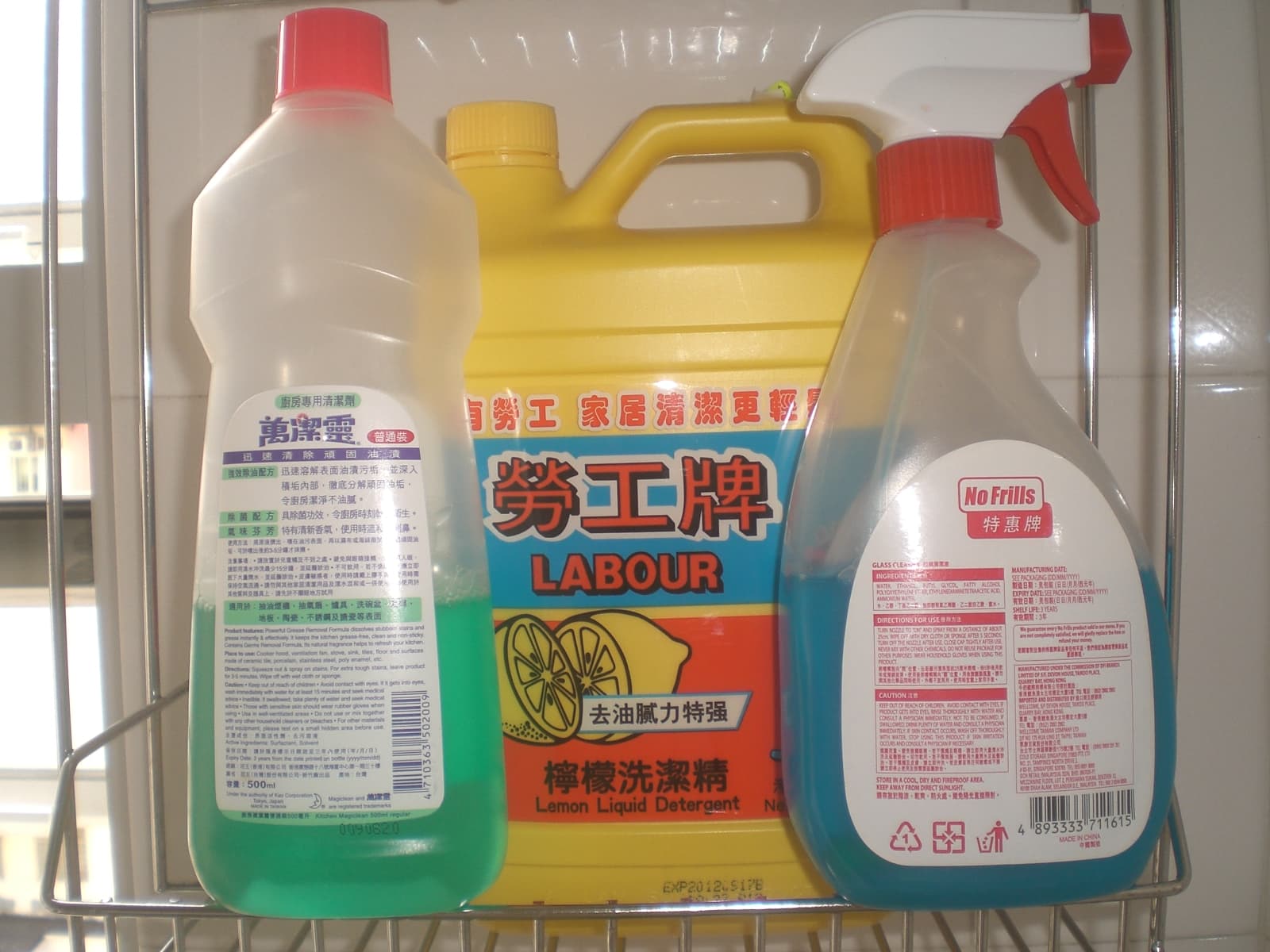
Hazardous chemicals and SDS duties for cleaning teams
GHS labels, current safety data sheets, decanting, the bleach-and-acid mistake, storage, induction, and the split of duties between a PCBU host and a cleaning contractor. The folder in the store only counts if it matches the trolley.
Tom Bradley · 3 December 2024