Food premises cleaning: what local councils actually look for
FSANZ sets the Code, states write the Food Acts, council EHOs walk the floor. Cleaning schedules as evidence, allergens, grease traps versus floor soil, and the point where pest control and cleaning have to meet.
By Ellen Marks · Sector correspondent · 20 May 2025 · Updated 3 March 2026
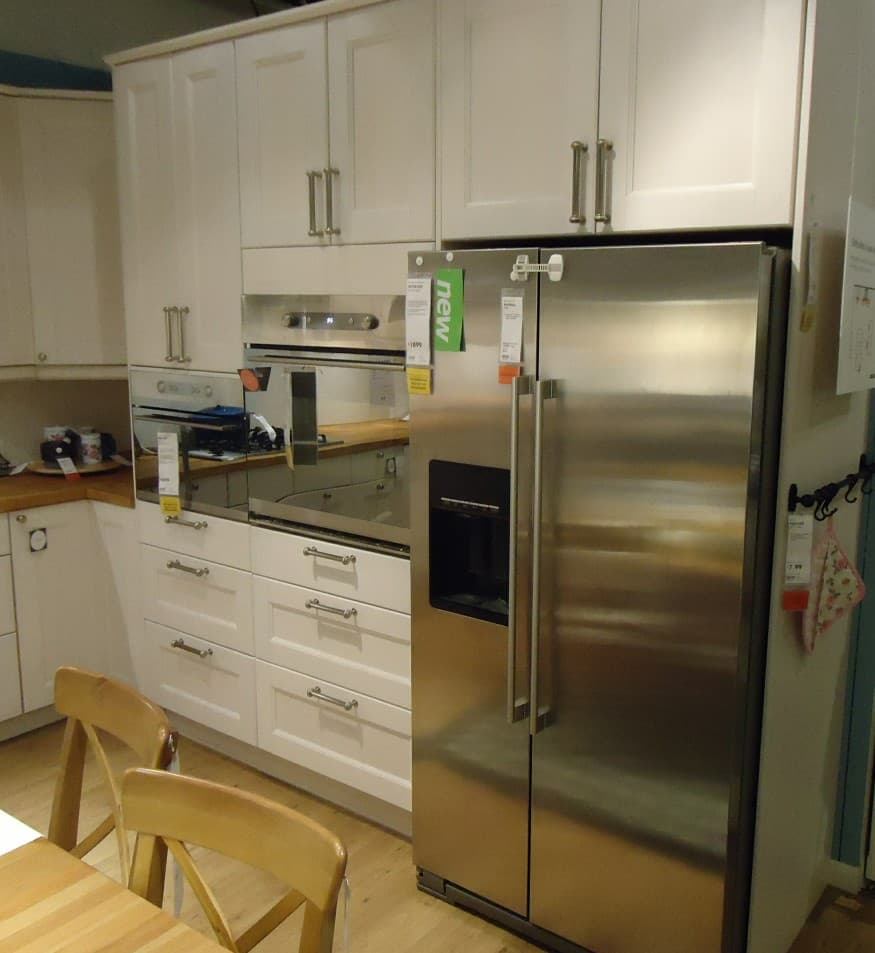
A council environmental health officer does not inspect your brand standard. They inspect the premises against the Food Standards Code and the state or territory Food Act they are appointed under. Cleaning is part of that judgement, but it is not a separate inspection with a score for shine. It is evidence that soil, allergens, pests and grease are under control.
This sits in the safety and compliance hub because a failed food inspection is a legal and a trading problem, not a facilities mood. Commercial Cleaners is not a council and not a food-safety consultancy.
FSANZ writes the Code; the state writes the Act; the council walks in
The Food Standards Code
Food Standards Australia New Zealand develops the Australia New Zealand Food Standards Code. Standard 3.2.2 is the one food businesses meet every day: handling, hygiene, and the requirement that premises and equipment be cleaned and sanitised where the Code requires it. Standard 3.2.3 deals with the premises themselves — design, fixtures, water, waste. The Code is national. It is not a council brochure.
State Food Acts and council officers
States and territories give the Code force through their Food Acts and appoint authorised officers. The name of the Act changes. The idea does not: it is an offence to sell unsafe food and to fail the hygiene duties the law picks up. Do not quote another state’s form as if it were yours.
Local councils, in most of the country, employ the officers who walk cafés, delis, supermarket food areas, hotel kitchens and school canteens. In some jurisdictions a state agency shares the work. The person at the door is looking for the same bones: can this business show that food is protected, that people can wash their hands, that equipment is clean enough to use, and that pests are not at the product.
A contractor’s scope does not move that duty. The proprietor remains the person the Act is looking at. If the specification does not match the Code, the officer will not care whose logo is on the invoice. A kitchen built to be cleanable can still be run dirty. Officers will open the thing you did not clean because it does not move.
Cleaning and sanitising are two words in the Code, not a spray
The Code’s ordinary idea is boring and widely skipped. Clean means the soil is off — food residue, grease, visible dirt — usually with detergent, water and mechanical action. Sanitise, where the Code requires it for food-contact surfaces and eating utensils, means a process that reduces microorganisms to a safe level. Heat, or a chemical used as the label directs, after the surface is already clean. A scented spray on a greasy board is neither.
Write the method in that order: scrape, wash, rinse if needed, sanitise if the surface needs it, dry. Name the product, the dilution, and the contact time if a chemical sanitiser is the claim. A dishwasher that is a warm rinse with dirty filters is a wash.
This is why hotel stewarding and a café pot-wash matter more than the dining-room glass. Hospitality back-of-house hygiene is the same Code in a taller building. A retail deli is the same Code inside a shop; the aisle in front of it is a different job, which we take up in retail store cleaning between trading hours. A cloth that did the floor does not do the board. Colour-coding is custom, not a clause in the Code, and it is still the simplest way to stop a quiet contamination.
The cleaning schedule is evidence if the room agrees with it
Officers ask for a cleaning schedule because the Code expects a system. They look at whether it names the premises they are in. A generic “kitchen daily / weekly / monthly” downloaded in 2019 will not mention the coolroom added in 2022 or the drain that actually exists. They look at whether the ticks are plausible — a month of identical ticks, including the day the shop was closed, is not impressive — and then they look at the room: canopy filters, the underside of a bench, coolroom seals, the can-opener.
A useful schedule is short enough to use: daily food-contact, floors, hand-wash, the machine, bins; periodic canopy filters, under equipment, coolroom, ice machine, drains; named owners for close-down, the cleaner, and the specialist who does the trap; a place to record a miss. Electronic logs are fine if someone can open them on site. A head-office laptop in another city is not a site system.
Unlabelled sanitiser, or a dilution that exists only as “we know how it smells”, is a chemicals finding as well as a food one. The SDS and the label still apply in a kitchen. See hazardous chemicals and SDS for cleaning teams.
Allergens are a clean as well as a recipe
Allergen management is often written as a menu and a training register. It is also a cloth, a board and a fryer. Residue is how a “separate” process fails. An officer looking at allergens will look at whether the business can clean the equipment it claims to separate.
Write the food-contact clean for that kit: the dedicated board, the sandwich press that is “also used for the other one”, the oil that is never quite only for chips. Detergent and mechanical action matter more here than a mist of sanitiser. Storage is part of the same clean — a split bag of flour above an open allergen-free tub, a cloth hung on the allergen bench after it did the general pass. Induction has to say what cleaners may not move, and what they must not wipe “while they are there”. Do not claim a hospital-grade wipe as an allergen control. Claim a method you can show: wash, inspect, put back.
Grease traps, canopies and the soil that is not on the floor
A shining vinyl floor with a neglected grease trap is a premises that has cleaned the photograph. Officers know the smell. Trade-waste agreements and trap-pump intervals sit with the operator and usually with a plumber. The cleaner’s honest job is the floor, the spill, and a report when the trap is overflowing. Write that boundary so nobody is sent to pump a trap with a bucket.
Canopies and filters are a fire, a pest and a hygiene surface. Many councils will look up. A filter that can come out should be on a periodic with a date. Ducting above that is a specialist. The cook line will never stay clean if the canopy is raining grease. Food on a floor is food for pests. Drains that are never lifted become science projects. Coolrooms: floor, seals, racking, stock on the floor that prevents the clean. A coolroom used as a store for the mop bucket is a finding.
Pests and cleaning are one interface
Pest control cannot succeed in a kitchen that feeds the pest. Officers treat them as one story: food debris, harbourage, holes, a bait program that exists on a certificate and not on a walk.
Close-down includes food off the floor, bins lidded, and the cardboard nest gone. The cleaner reports droppings or a live sighting and does not decide to “spray something” from the cleaning store. Bait stations are not kicked or used as door stops. A hole the size of a rat at the dock is a maintenance job. A perfect kitchen and a filthy bin room is still offering a buffet. Do not let two contractors each assume the other owns the crumb under the servery. Name the crumb.
What the walk looks like when it is not a surprise
If you inspect yourself the way an officer might, start at the hand-wash: soap, paper, water, not a stack of plates in the basin. Then food-contact — boards, slicer, can-opener. Then the machine and the pot-wash. Then a drain and the coolroom seal. Then the canopy, the chemical bottles and the schedule. Then the bin room.
Talk to the person who did the close-down, not only the manager who does the morning. Ask what they skip when service runs late. The honest skip is the risk. Councils differ in tone. They do not differ in the physics. Soil comes off with detergent and work. Sanitising is a second step for the surfaces that need it. Schedules are evidence when the room agrees. Allergens are residue as well as recipes. Grease has a trap and a canopy, not only a floor. Pests eat what you leave. A food premises that understands those sentences will survive a walk. A premises that has bought shine will survive until the officer opens the door of the thing that does not move.
Questions readers send us
- Is a laminated cleaning schedule enough for an EHO?
- It is a start, and it is not evidence on its own. Officers look at whether the schedule matches the premises, whether it is being filled in honestly, and whether the room in front of them agrees with it. A perfect sheet and a filthy pot-wash is a finding. A clean kitchen with no sheet may still be asked for a system. Write a schedule you can defend while standing in the room.
- Do grease traps count as cleaning?
- They count as a plumbing and trade-waste control that cleaning has to live next to. Wiping the floor around a trap is cleaning. Pumping the trap is usually a specialist or plumber on a stated interval. An EHO who finds a neglected trap will not accept a shining cook line as the whole answer. Name the owner of each job.
- Will the same rules apply in a supermarket deli and a hotel kitchen?
- The Food Standards Code is the same idea. The premises, the processes and the council's attention will not be identical. A deli inside a shop still has to clean as a food business. A hotel kitchen still has to clean as a food business. The rooms around them — shopfloor, guest corridor — are different specifications. See retail between trades and hospitality back-of-house.
Continue in Safety and compliance
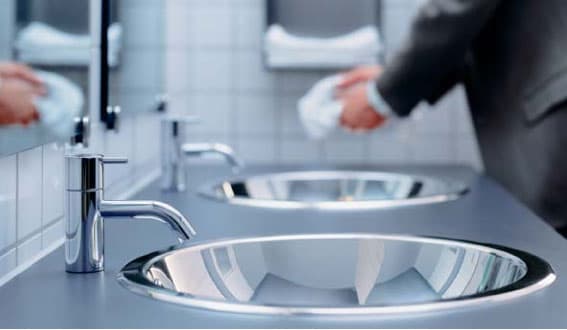
Infection control after a workplace outbreak — beyond a deep-clean invoice
Gastro and respiratory clusters ask different things of a workplace. The PCBU, the public health unit, the limits of fogging, and the decision to close a floor sit above a single invoice for a Sunday clean.
Claire Nguyen · 8 July 2025
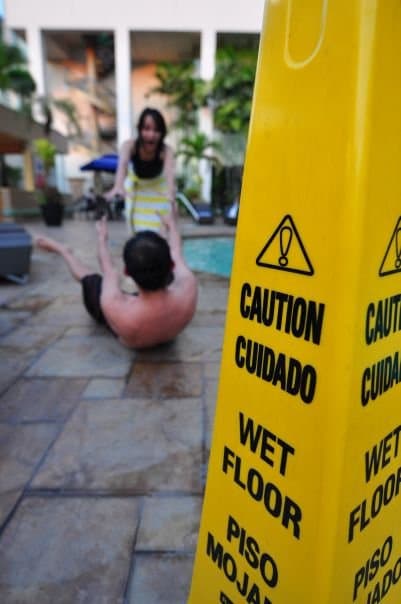
WHS duties when cleaners work in someone else's building
Overlapping PCBUs, night access, lone work, plant, asbestos and lead registers, and consultation. A cleaning crew in a host building is not a visitor who left their duties in the van.
Tom Bradley · 4 March 2025
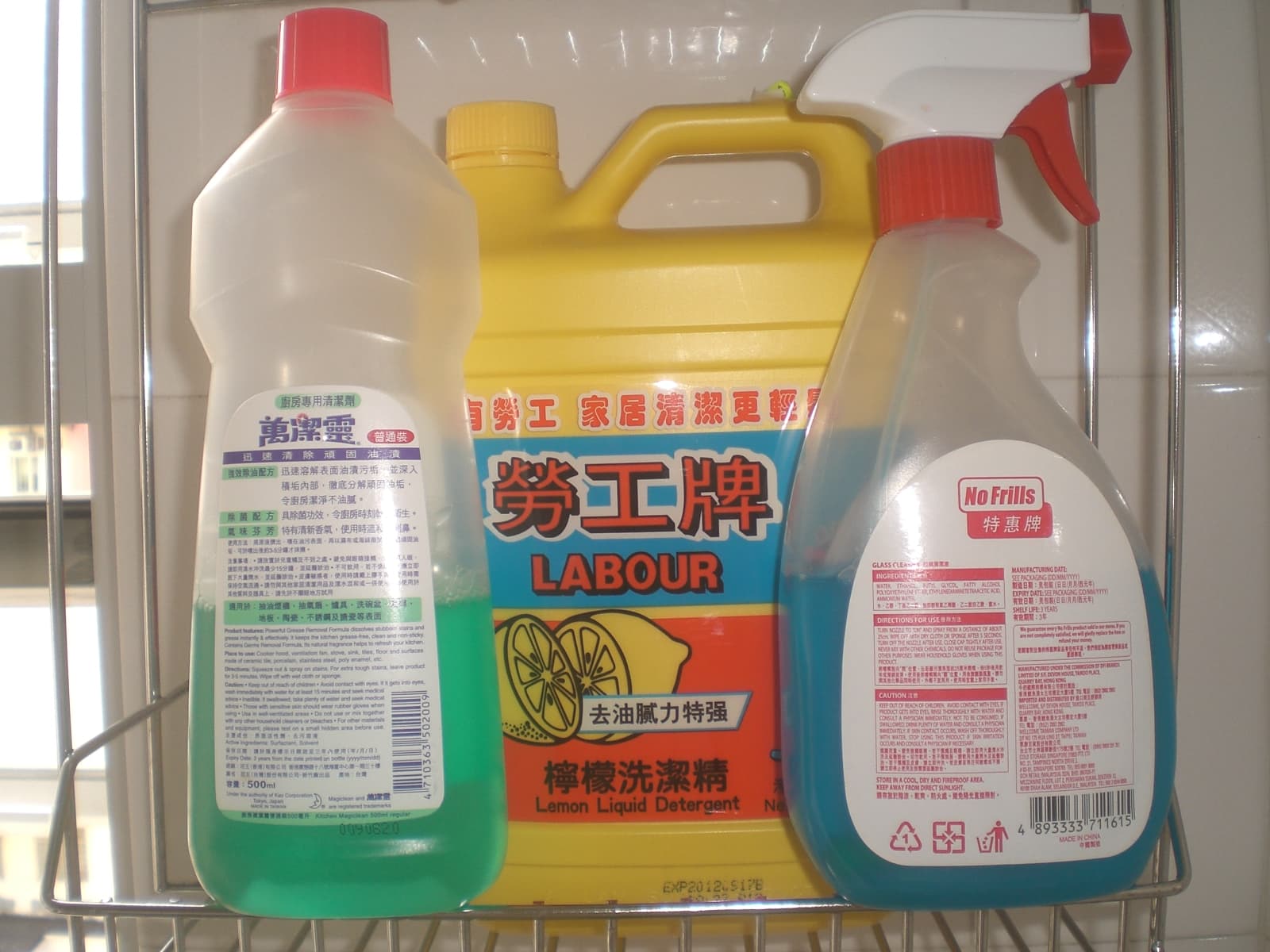
Hazardous chemicals and SDS duties for cleaning teams
GHS labels, current safety data sheets, decanting, the bleach-and-acid mistake, storage, induction, and the split of duties between a PCBU host and a cleaning contractor. The folder in the store only counts if it matches the trolley.
Tom Bradley · 3 December 2024