Infection control after a workplace outbreak — beyond a deep-clean invoice
Gastro and respiratory clusters ask different things of a workplace. The PCBU, the public health unit, the limits of fogging, and the decision to close a floor sit above a single invoice for a Sunday clean.
By Claire Nguyen · Facilities editor · 8 July 2025 · Updated 11 March 2026
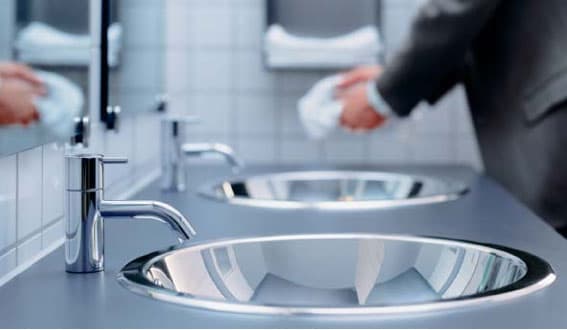
An outbreak at work produces two documents very quickly: a staff email that says less than people want, and a contractor invoice that says “deep clean”. Neither is a control. The control is a decision about what kind of illness you are dealing with, who is the person conducting a business or undertaking, what the public health unit has said, which rooms must be cleaned, and whether anyone should be on the floor while that happens.
This sits in the safety and compliance hub because outbreak week is a duty, not an invoice. For the Tuesday version, read high-touch surface protocols.
Gastro is not a respiratory event with worse publicity
Treat them as different jobs. They soil different things and they fail different products.
A gastrointestinal cluster — often suspected as viral in Australian workplaces, with norovirus the name people reach for — is a story of vomit, faeces, toilets, taps, and hands that then open a fridge. Alcohol-based hand rub is a poor hero here. Soap, water and a washroom that still has paper matter more. So does a spill method that treats vomit as a hazardous mess, not as a reason to fog a whole floor while leaving the carpet wet. Surfaces need detergent to lift the soil and then, where the method requires it, a disinfectant the label actually supports for this kind of organism. A scented wipe of the meeting table after someone was sick in the washroom down the hall is not that method.
A respiratory cluster — influenza, COVID-19, or the unnamed winter thing that empties a tenancy — is more about shared air, close contact and the handles people touch on the way into a meeting. Cleaning still matters for high-touch points. It does not replace staying home when sick, outdoor air, and ordinary respiratory hygiene. Fogging a floor of keyboards will not ventilate a boardroom.
If you do not know which you have, do not invent a hybrid SOP that does both badly. Clean the rooms that were soiled as if they were soiled. Increase the honest high-touch work. Ask HR and the public health unit, not the night supervisor, what else is required. The supervisor can tell you whether the washroom ran out of paper. They cannot tell you whether you have a notifiable disease.
Who is the PCBU, and what a public health unit is for
Under the model Work Health and Safety laws used in most Australian jurisdictions, a person conducting a business or undertaking has the primary duty to ensure, so far as is reasonably practicable, the health and safety of workers and others. A workplace outbreak sits inside that duty. So does the way you then ask a contractor to clean.
There is often more than one PCBU: the employer of the sick staff, the host in a multi-tenant tower, the cleaning contractor as an employer of the night crew, the building manager. None of them can subcontract the duty away with a purchase order. Victoria uses occupational health and safety legislation rather than the model WHS Act, and still does not let a principal hide behind a contractor on their site.
The occupier decides whether the floor stays open. The contractor decides how to protect their workers. The building decides access and whether the HVAC should run for a wet or chemical job. A text that says “gastro, do a deep clean” is not consultation.
The contractor’s WHS system and yours have to meet. We walk the ordinary version of that meeting in WHS duties for cleaning contractors. In an outbreak week the meeting is shorter and more important. If your only record is an invoice, you do not have a record of a duty being discharged.
State and territory public health units advise on, and in some cases direct, the management of particular diseases. They are not a 24-hour helpdesk for a single case of someone going home early. Involve them when you have a cluster, a suspected notifiable disease, a food-handling workplace, a care setting, or a letter that has already arrived.
Follow the advice you are given. Write it down. If they have not told you to close a building, do not tell staff that “health have shut us”. Food premises sit in a stricter world. A café in the lobby will have council and, where relevant, Food Standards Australia New Zealand Code duties that an ordinary office does not.
What “fogging” usually fails to do
Fogging, misting and the various spray-the-air products photograph well. They smell like action. They usually fail at the job people think they have bought.
They do not remove soil. A keyboard with lunch on it is still a keyboard with lunch on it after a fog. They do not reliably wet the underside of a tap, the inside of a fridge handle, or the fold of a fabric chair. They can put a chemical into the air that then has to be managed for re-entry, for the people applying it, and for anyone with a respiratory condition who comes back on Monday. They can leave surfaces sticky, which then holds the next week’s dirt.
There are settings where a competent hygienist will specify an airborne or whole-room process. That specification will name the product, the room preparation, the dwell, the re-entry time and the reason. It will not be a contractor offering “electrostatic fogging” as a line item because the last client liked the smell.
Ask five questions. What organism, or at least what kind of event, is this for? What will be cleaned first, by hand, with detergent? What does the label require for contact time, and how will that be achieved on a vertical handle? What does the SDS require for the people applying it, and who has read it? When can occupants return, and who measures that? If the answers are vague, you are buying theatre. Spend the money on labour hours to do the washrooms, the tea point and the meeting rooms properly. The hazardous chemicals and SDS piece is the weekday version of the same discipline. Outbreak week is a bad time to introduce a chemical nobody has trained on.
A clean you can describe
A defensible outbreak clean is a list of rooms and methods, not an adjective.
Isolate the soiled rooms. A meeting room where someone was sick can be closed, cleaned and reopened. An open kitchen cannot be “sort of closed” while people keep making coffee around a wet floor.
Spill first. Vomit and faeces have a method: restrict the area, protect the worker, remove the bulk, clean with detergent, then disinfect as the product requires, then dispose of waste as the building’s waste rules require. Soft furnishings that cannot be cleaned may need to be removed. If the night crew do not have the kit or the training, do not send them in with a spray bottle and a compliment.
Then the high-touch set in the affected zone. Taps, handles, flush buttons, fridge and microwave handles, meeting-room table, booking panel. Use the protocol you already had, at a higher frequency, with a disinfectant you can dwell where the label needs it.
Then the ordinary clean of the rooms you will reopen. Bins, floors, washrooms. Do not skip this because a fogging brochure said “whole floor”.
Record it. Rooms, times, product, dilution, who did the work, when occupants returned. “Deep clean — Sunday” is not a record of something reasonably practicable.
Do not clean people’s desks as if you had a warrant. Phones, headsets, keyboards and half-eaten food are a consultation and privacy problem. Ask occupants to clear. A contractor told to “sanitise every workstation” will refuse, do it badly, or generate a breakage claim.
Communications, and when to close a floor
Staff will fill a silence with a worse story. They also do not need a running commentary that names the sick. The occupier should say, in ordinary Australian English, that a number of people have been ill, without a diagnosis you do not have; what you are doing to the rooms; whether anyone should stay out of a particular kitchen or floor, and until when; that people who are sick should stay home, which still outperforms most chemicals; and who to tell if they find a spill the crew has not reached.
Do not blame the contractor in the all-staff email. Do not promise that the building has been “disinfected” if you have wiped twelve handles. Do not ask the night supervisor to be the spokesperson. Do not send a medical claim that would fail our editorial standards to two hundred people at 6:12pm.
Close a room when you cannot clean it with people in it, or when using it will re-soil the clean before you finish. Close a kitchen when the sink, the fridge and the benches are the problem and you need two hours without a kettle. Close a washroom when you need to treat a spill and you have another washroom to point people at.
Close a floor when the soiled rooms, the shared tea point and the washrooms cannot be taken out of service in pieces, or when a public health direction or a genuine staffing collapse means you cannot run the place safely. That is a high bar. It is not the same bar as “it would be easier to explain a closure than to explain a clean”.
A closure you cannot time-limit is a rumour. Write the reopening condition: clean complete, floors dry, product re-entry time elapsed, bins emptied, a named person walked the route. Then walk it. Reopening because the lease does not like closures, while the microwave is still a crime scene, is how you get a second week of the same cluster.
The Cleaning Services Award 2020 does not pause for an outbreak. Sunday rates and a crew that already did a night shift are a reason to book the right hours, not to skip the clean. When the week is over, withdraw any emergency SOP you will not fund in ordinary time. Keep the spill method and the short high-touch list. Throw out the fogging clause you copied from 2021.
Questions readers send us
- Does a gastro cluster always mean we close the floor?
- No. Closure is a judgement about whether you can keep people out of the soiled rooms, finish a proper clean and reopen without sending half the tenancy back into a contaminated tea point. A single vomit incident in a closed meeting room is not a floor closure. An open-plan cluster with shared kitchens and no day cleaner is a different conversation.
- Should we fog after every outbreak?
- Not as a default. Fogging does not remove soil, does not reliably reach the underside of a handle, and adds a chemical exposure you then have to manage. If a competent adviser or a public health unit asks for a particular method, follow that advice. Do not buy fogging because it photographs well.
- Who tells staff what is going on?
- The PCBU, in practice the employer or building occupier, not the cleaning contractor. The contractor can confirm which rooms were cleaned and which methods were used. They should not be asked to diagnose illness or to write the all-staff email.
Continue in Safety and compliance
Food premises cleaning: what local councils actually look for
FSANZ sets the Code, states write the Food Acts, council EHOs walk the floor. Cleaning schedules as evidence, allergens, grease traps versus floor soil, and the point where pest control and cleaning have to meet.
Ellen Marks · 20 May 2025
WHS duties when cleaners work in someone else's building
Overlapping PCBUs, night access, lone work, plant, asbestos and lead registers, and consultation. A cleaning crew in a host building is not a visitor who left their duties in the van.
Tom Bradley · 4 March 2025
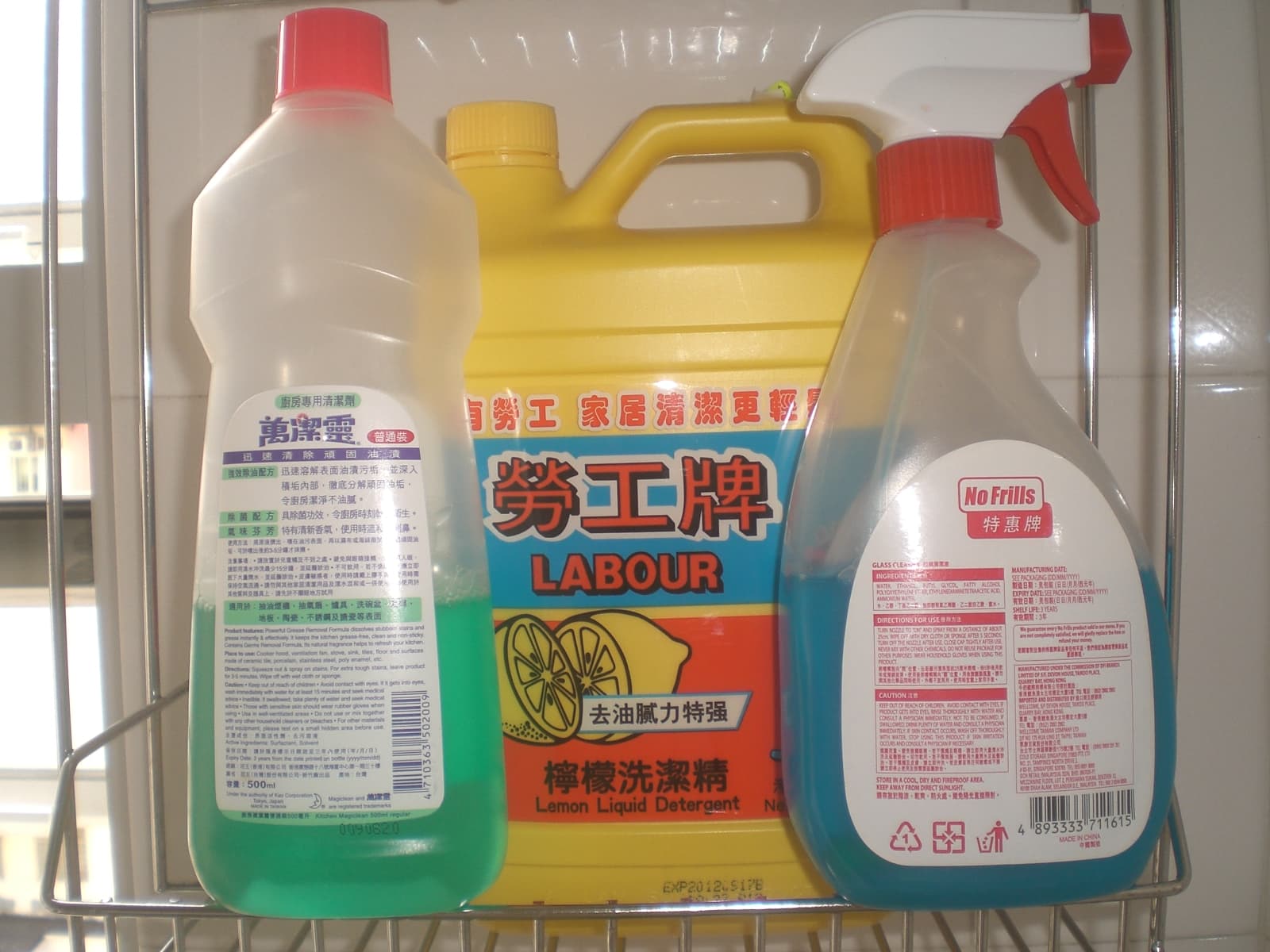
Hazardous chemicals and SDS duties for cleaning teams
GHS labels, current safety data sheets, decanting, the bleach-and-acid mistake, storage, induction, and the split of duties between a PCBU host and a cleaning contractor. The folder in the store only counts if it matches the trolley.
Tom Bradley · 3 December 2024