Medical centre and clinic cleaning standards in Australia
A general practice is not a hospital, and a waiting room is not a treatment room. Blood, clinical waste, after-hours access and the limits of “hospital-grade” on a clinic trolley.
By Ellen Marks · Sector correspondent · 8 October 2024 · Updated 11 January 2026

A medical centre is a workplace that also sees patients. That sentence is why clinic cleaning goes wrong. Facility managers import a hospital policy and then cannot fund it. Contractors import an office specification and then meet a blood spill with a tea-point cloth. Practice managers ask for “hospital-grade” because the words sound like a standard, and nobody writes down who opens the treatment rooms after 8pm.
This is a sector guide, not a clinical manual. Commercial Cleaners is not a health service and not a contractor. The sector guides hub exists because a waiting room, a consult room and a staff tea point are different soils.
General practice is not day procedure, and neither is a hospital
General practice and most allied-health clinics are workplaces with consult rooms, a waiting room, a reception counter, toilets, a staff room, and a small set of clinical spaces that see blood, body fluid and reusable equipment. The ordinary soil is people: shoes, magazines, a bathroom also used by someone who has just been unwell. The clinical soil is intermittent and concentrated. A GP clean that only looks at the foyer chairs will fail the treatment bench. A GP clean that treats every corridor like an operating theatre will not be staffed.
Day procedure and similar day hospitals have a different rhythm. Procedure rooms, recovery, a higher linen and clinical-waste load, and an infection-control program that usually sits inside a health-service framework rather than a suburban practice manual. Accreditation and health-service standards may apply. Copying a GP nightly attend into that building is under-cleaning. Copying a hospital operating-theatre protocol into a two-GP clinic is a brochure.
Hospitals have environmental services teams and a depth of policy a contractor on a 6pm–10pm run cannot impersonate. If your clinic sits on a hospital campus, ask which document governs the tenancy.
The National Health and Medical Research Council’s Australian Guidelines for the Prevention and Control of Infection in Healthcare are the document Australian health services start from. They are not a night-crew task list. Use them as a reason to classify rooms. Do not quote them as if they specified your waiting-room vacuum frequency.
Classify the rooms, then write the tasks
A clinic specification that lists “all areas nightly” will be cleaned as an office. Split the building the way the risk splits.
Waiting room, corridors, reception. Soil is public. Vacuum or mop, wipe the high-touch set — door plates, wipeable chair arms, reception counter, payment terminal if the practice wants that done by a cleaner — and empty general waste. Toys, if they exist, need a stated owner. A night crew will not know which plastic animal is a comfort item and which is a reservoir.
Consult rooms. Surfaces patients and clinicians touch: bench, the wipeable parts of the examination couch, tap, door, the back of a shared clinician’s chair. Paper on a couch is a clinical practice, not a cleaning scope. Computer keyboards are the same argument as in an office, with more reason to let the clinician wipe their own. Floors nightly. High dust periodically.
Treatment, procedure, dirty utility, sterilising. These rooms need a written method and a cleaner who has been shown the room. Benches, trolleys, taps, the floor, and whatever the practice has agreed is environmental rather than clinical. Reusable medical devices are not a contractor job. If a bench still has instruments on it, the room is not ready for a general clean. That is a handover rule, and it fails often.
Toilets and patient bathrooms. Public washroom standard, plus the likelihood that someone was unwell. A patient bathroom attached to a procedure space is not the staff loo. Write them separately.
Staff room and offices. Office soil. Do not let a “clinical” specification skip the microwave and then spend its energy on a corridor skirting.
Children’s spaces, if any. An early-learning standard is the wrong import, but the early learning centre cleaning logic still helps: toys, floors, bathrooms, and the fact that small people put their hands on everything at a height adults stop noticing.
Blood, body fluid and clinical waste
A splash on a treatment bench is not “a bit extra wiping”. It is a spill with a worker-exposure risk. The practice should already have a blood and body fluid procedure in its infection-control folder. The cleaning specification should say which parts the contractor performs, which parts clinical staff perform, and what happens after hours when the only person in the building is a cleaner.
The bones of a method are not mysterious: restrict the area, protect the worker, remove the bulk with the right absorbent, clean with detergent, then use a disinfectant the label and the TGA status actually support for that soil, then dispose of the waste in the correct stream. The details — product, dilution, contact time, PPE, which bag — belong on one page in the cleaners’ store and in the induction. They also belong in the SDS folder. See hazardous chemicals and SDS for cleaning teams.
Do not ask a cleaner to handle a used sharp. A needle in a bin or on a bench is a clinical-control failure. The response is to stop, isolate, and call the named after-hours clinician or practice manager. If that call tree does not exist, you do not have an after-hours program.
Urine, faeces and vomit in a clinic toilet are closer to the outbreak spill method than to an office washroom wipe. Train them that way. A suburban practice will still see them.
Australian clinical waste is regulated at state and territory level. The practice should already have a licensed contractor and a colour and container system. Yellow bags, sharps containers, and whatever pharmaceutical or cytotoxic streams the site actually generates are not interchangeable with the skip.
The specification must say which bins the night crew may empty; which they must not touch; where a full sharps container goes, and who swaps it; what to do if clinical waste has been put in a general bin; and where the waste sits overnight. If the crew’s job is floors, bathrooms, waiting room and general waste, write that. Paying office rates for a person you then ask to manage clinical waste is how you get a quiet refusal or a quiet mistake. If the practice has a clinical linen stream, name the bag and the pickup. Do not write “linen as per hospital protocol” in a two-room allied-health suite.
After-hours access is the real quality system
Clinics fail cleaning because rooms are locked, alarms are partitioned, and the only person with the treatment-room code left at 5:40pm. A beautiful specification for a dirty-utility bench does nothing if the cleaner has never been in the dirty utility.
Write the access map: which doors the crew may open; which rooms are cleaned only when a staff member has released them; what to do with a room that still has a patient file on the desk — usually do not enter, or clean the floor only; who is on the phone if a treatment room is still occupied or a spill is beyond the method; how the alarm is set; where the cleaners’ store is, and whether chemicals may sit near a sterilising room.
Privacy is not a footnote. Medical records, computer screens and the contents of a consult room are why a cleaner should not be asked to “tidy the desks”. Floors, bins, high-touch, bathrooms, waiting room: yes. Filing: no.
Relief staff are the weak point. Budget for a site induction that is a walk, not a PDF. If the contractor’s model is a different body every Thursday, you will get a Thursday that looks like an office. The Cleaning Services Award 2020 still applies. A price built on an office minute-rate will produce an office clean.
“Hospital-grade” is a label, not a personality
In Australia, hospital-grade disinfectant is a term with a Therapeutic Goods Administration meaning. Those products are regulated as therapeutic goods and should appear on the Australian Register of Therapeutic Goods if they are being sold for that purpose. The category exists. It is not a synonym for “we take this clinic seriously”.
What a practice needs is a small, named set of products: a detergent for ordinary soil; a disinfectant that is actually indicated for the spills and surfaces you will use it on, with a contact time the roster can honour; a washroom product that does not migrate onto a treatment bench; nothing with a worn-off label.
Colour-coding matters more here than in an office. A red washroom cloth on a treatment bench is not a branding issue. Keep the map on the store door. If the site is too small for a full trolley, it is not too small for two marked caddies. GECA and other ecolabels can sit on the detergent side where they fit. They do not replace a TGA-status disinfectant where you need one.
Overselling is the other failure. “Hospital-standard cleaning” for a GP waiting room is a hospital used as a mood. Write the rooms and the methods. Inspect the treatment bench and the patient toilet, not the brochure. That is the same standard we set in our editorial standards: do not claim a hospital you do not have.
Walk it as a clinic. Waiting-room floor and the first chair arm a child sits on. Reception high-touch. One consult room: bench, couch edge, tap, floor corners. Treatment or dirty utility if you have access. Patient toilet, plus the spill kit. Staff room as the honesty test. Cleaners’ store: labels, SDS, colour-coding. After-hours log: which rooms were locked and skipped.
Talk to the cleaner. Ask which room they cannot get into, and what they do with a full sharps container. If they do not know, the induction failed. Sharps, chemicals and fatigue at the end of a late clinic are why the specification has to be usable at 8:30pm.
If you change one thing this quarter, split the rooms and write the spill and waste rules in sentences a relief cleaner can follow. The treatment bench decides whether you have a clinic specification or an office specification with a red cross on the cover.
Questions readers send us
- Do we have to use hospital-grade disinfectant on every surface?
- No. Hospital-grade is a Therapeutic Goods Administration category for certain disinfectants, not a personality for a clinic. Waiting-room chairs and a reception counter need a method that matches their soil. Treatment rooms and blood spills need a tighter method. Writing hospital-grade on every line is how you ignore both.
- Can the night crew empty clinical waste?
- Only if they are trained, equipped and authorised for that waste stream, and only into the system the practice already uses. Clinical waste is not a bigger general bin. If the contractor's scope is general waste and floors, do not add sharps and yellow bags as a casual extra on a Friday.
- Is a day-procedure centre the same specification as a GP?
- No. Day procedure sits closer to a health-service infection-control program, with procedure rooms, a different waste and linen load, and often accreditation expectations a suburban general practice does not share. Copying a GP scope into a procedure centre, or the other way around, is how you under-clean one and over-claim the other.
Continue in Sector guides

Cleaning an early learning centre without turning it into a hospital
National Regulations, toys, nappy change, sandpits and chemical choice around children. After-hours work does the floors; during-session work does the mess. Neither needs a hospital protocol copied onto a kindy trolley.
Ellen Marks · 16 September 2025
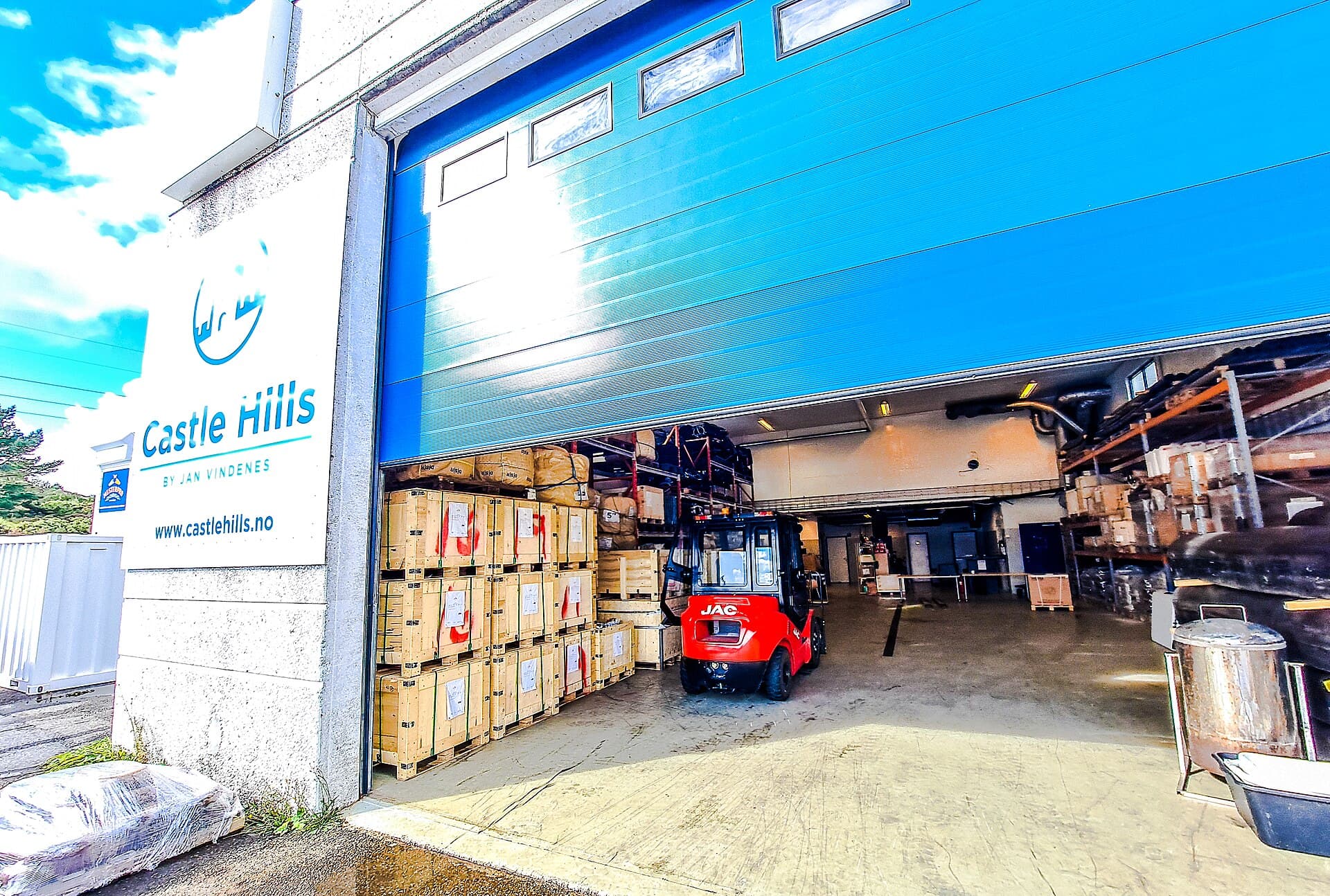
Warehouse and industrial floor care that lasts a forklift week
Concrete dust, oil, ride-on scrubbers, line marking and cold stores decide whether a warehouse floor lasts the week. Food-grade sites and 3PL sheds are not the same specification, even when the machine looks identical.
Ellen Marks · 5 August 2025
Hotel and hospitality back-of-house hygiene
Guests see rooms and a lobby. Councils, auditors and night auditors see kitchens, linen, grease and the dock. How hotel housekeeping and back-of-house cleaning actually split, and what an outbreak does to that split.
Ellen Marks · 17 June 2025