Retail store cleaning between trading hours
Retail cleaning is two jobs sharing one trolley. Day porters, night crews, food versus fashion versus hardware, spills in trade, trolley bays, mall common areas and the Christmas roster that always arrives late.
By Ellen Marks · Sector correspondent · 18 February 2025 · Updated 14 February 2026
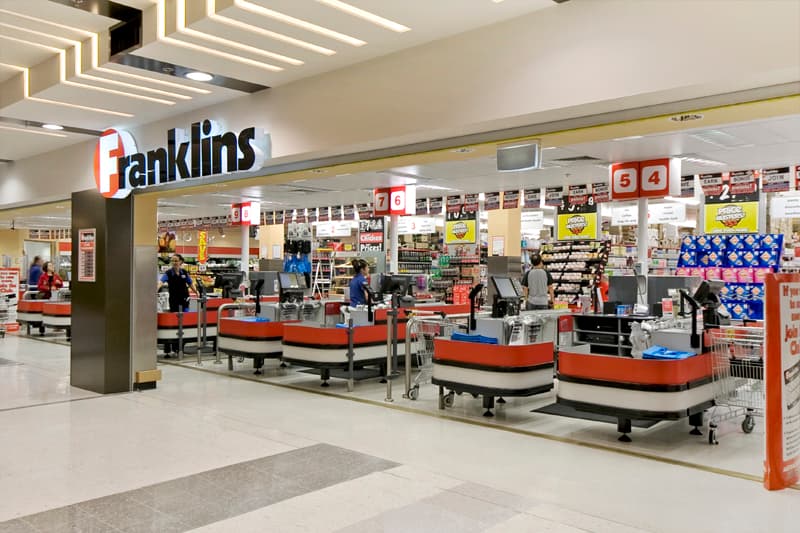
A retail floor is cleaned twice, whether the specification admits it or not. Once while people are still buying — a spill, a toilet, a trolley bay that has become a tip — and once after the shutters come down, when the floors, glass, amenities and stockroom can actually be reset. Treating those as one attend with one labour rate is how a supermarket looks acceptable at 8am and a fashion tenancy looks like a rummage by Thursday.
This is a sector guide, not a contractor pitch. The shop is a workplace with a public in it. The public will walk through a wet aisle if you let them. The night crew will not see the lunchtime spill if you never paid a day body to stand near it.
Day porters and night crews are not the same specification
A day porter in retail is a presence, not a deep-clean program. They walk a short loop: customer toilets, entrance glass at eye height, the first spill, and whatever the store manager points at while a delivery is coming through the fire exit. They carry a wet-floor system that actually goes out. They do not strip a vinyl floor at 2pm in a live supermarket.
A night crew owns the building after close. Floors that need a machine, high dust, the stockroom, the coolroom threshold if that is in the tenancy, the staff room used as a lunchroom and a parcel dump, the glass that only fails in morning light. They also inherit every job the day left because trade was too thick. If you do not write that inheritance down, the night supervisor will guess, and guessing in retail usually means the shopfloor is done and the amenities are not.
The useful split is ownership, not adjectives.
During trade. Spills, toilets, high-touch at the front, presentation of the first ten metres, waste overflowing in public view. Someone must be on site or the store team will do it with the wrong cloth, or not do it.
After close. Floor care, full amenities, fitting rooms, stockroom, glass both sides of the entry, the trolley park if it is yours, periodic work that cannot happen around customers.
A store that only buys a night attend will always have a day-time soil problem. A store that only buys a day porter will always have a floor-care problem. The after-hours inspection habit still applies, with one retail difference: inspect once in trade and once after the reset. A 7:45am walk through a supermarket that opened at 6am is a different building from the one the night crew left.
Food, fashion and hardware are different soils
Copying a supermarket scope into a fashion tenancy, or a hardware scope into a grocer, is how you buy the wrong machine and the wrong hours.
Food retail
A grocer, a butcher, a bakery counter, a service deli — these are food premises sitting inside a shop. The aisle soil is trolley wheels, produce and cardboard. The back-of-house soil is food. Councils will treat the latter as they treat any other food business, which is why food premises cleaning and council expectations belongs in the same folder as the retail specification.
Write the food rooms separately from the aisle. Coolroom floors, prep benches if the cleaner is allowed near them, the scale and the slicer if they are not — most of the time they are not. A night cleaner asked to “just wipe the deli” without a food-safety induction is being asked to invent a method. Scale, raw meat and allergen residue are not a general retail wipe. Perfume and a mop of grey water is how you polish fat into vinyl.
Fashion and general merchandise
The soil here is fibre, fitting-room debris, hangers, security tags, and a glass front that is the entire advertisement. Pins and broken hangers turn a vacuum into a repair bill. Fitting rooms need a stated frequency during trade as well as after close; they are used as toilets, lunchrooms and change-rooms, sometimes in the same hour. Carpet in a fashion tenancy is a make-good argument waiting for lease end. Night work is often a short attend after a late close. Do not write a periodic high-dust program you will only ever get on a Sunday.
Hardware, variety and bulky goods
Dust is the product. Particle board, bagged soil, fertiliser and car-park grit will defeat a domestic vacuum in a week. Hard floors need a machine and a dust-control method, not a broom chased by a mop. Oil and paint spills are chemical events; the SDS for the merchandise is not the SDS for the cleaner’s detergent, and both need to be in the store. Outdoor bays are often nobody’s scope until the centre complains. If forklifts share the aisle with customers, say who owns the traffic soil and who owns the public presentation. They are not the same wipe.
Spills during trade
The spill is the retail test. It is also the injury that ends up in a claim file with a photograph of a yellow cone that was still in the cleaners’ store. Write a method a casual can follow at 1pm on a Saturday: isolate so people cannot step around a single sign; remove the bulk rather than mopping volume into a larger slick; clean with a detergent that matches the soil; keep the aisle closed until the floor is actually dry; report to the store manager and say whether the night crew must reclean the bay.
Blood, vomit and faeces on a shopfloor or in a customer toilet are not a paper-towel job. They sit closer to an outbreak method than to a soft-drink spill. Who owns the first response is the sentence most specifications skip. If the porter is covering two tenancies, the store team owns the first five minutes. If the porter is in the building, they own the method and the store owns the customer. Inspect the spill kit the way you would inspect a first-aid kit: present, stocked, not a box of rags behind the Christmas decorations.
Trolley bays, docks and the ugly metres
Trolley bays collect rain, fries, abandoned product and car-park grit. They photograph badly, and they are often on the wrong side of the tenancy line. If the bay sits on centre property, the shop can still be blamed for the nest against its glass. Say who empties the bay bins, who scrubs the pavement, and what happens when the shed is used as a smoker’s area.
Loading docks are the other ugly metre: cardboard, shrink wrap, a drip from a refrigerated truck, a drain that has not been lifted in a year. Night crews will clean the dock they can reach. They will not move a pallet stacked by a 4am delivery. Compactors and balers are plant. Isolation, no climbing into a hopper, and a rule about who picks wrap off a ram are not optional colour in a retail scope.
Mall common areas versus the tenancy
A shop in a shopping centre is a tenancy inside someone else’s building. The centre usually owns the concourse, food-court seating, public toilets, car park and trolley fleet. The retailer owns what sits behind the tenancy line.
Shopfront glass and the first tiles
Inside glass is almost always the tenancy. Outside may be centre, tenancy, or split at a sill. Centre cleaners often stop at a joint; tenancy cleaners stop at the shutter. The joint is where Saturday’s slush lives. A smear on the customer side of a fashion window is a trading problem regardless of the lease clause.
Food-court seating and toilets
Food-court chairs are usually centre property and tenant soil. If your brand sits there, say who wipes tables during trade. Public amenities are usually centre. Staff toilets inside the tenancy are yours, and they are the ones a food-business EHO will still look at. Get a marked plan from the centre manager. Customers form a view of the shop from the concourse. They do not read the lease.
Christmas, sales and the roster that arrives in week two of December
Australian retail does not have a gentle December. Late-night trading, more bodies, more cardboard, and a casual workforce that evaporates after Boxing Day. A specification written for a quiet Tuesday in March will not describe the third week of December.
Name the peak as a season, not as “additional cleans as required”. Extra day hours on the late-trade weekends, an extra amenities check, a cardboard rule that does not wait for the night crew, and a plan for the 26th. January then has to exist: the periodic work you deferred, the floor that has had six weeks of grit. If you have never built a relief roster that holds, December will teach you. A store that moves from a 5:30pm close to 9pm has lost the window the night crew used to share with the next building on the run. Price and hours have to move with the door.
What to inspect, and what not to blame on the mop
Walk it as a shop. Entrance glass in daylight. The first aisle edge, not the end cap that faces the manager’s office. Customer toilets if they are yours; staff toilets either way. Fitting rooms. The spill kit. The trolley bay and the dock. The staff-room microwave. Coolroom threshold if you have the right to enter. Cleaners’ store: labels, a wet-floor system that works, colour-coding that still means something on a Saturday.
Ask the day person what they did at lunchtime. Ask the night supervisor what was left for them. If those two answers do not meet, you do not have a program. Do not fail a night crew for a lunchtime spill that was never isolated, or a day porter for a floor that needed a ride-on at 11pm. Write the rooms, the hours and the join. Retail is not an office with baskets. It is a public floor that has to be cleaned while the public is still on it, and then cleaned again when they have gone.
Questions readers send us
- Should the night crew mop during the last hour of trade?
- Only if the specification says so and the store has agreed how customers move around a wet floor. A mop in a live aisle is a WHS decision as much as a presentation one. Most stores are cleaner, and safer, if the night crew starts after the doors are locked and the day porter owns what happens while people are still shopping.
- Who cleans the mall concourse outside a tenancy?
- Usually the centre, not the shop. The join is where arguments start — the tenancy line at the shutter, a food-court table that belongs to the centre, a trolley bay that nobody put on either map. Write the line on a plan. Inspect both sides of it, because customers do not care who holds the contract.
- How do we staff December without wrecking January?
- Decide the peak roster in October, not in the second week of December. Name the extra hours, the extra day attend, and who covers sick leave when half the casuals have already gone home. A relief roster that only exists as a phone list will not hold a Boxing Day clean. See building a relief roster that holds.
Continue in Sector guides
Cleaning an early learning centre without turning it into a hospital
National Regulations, toys, nappy change, sandpits and chemical choice around children. After-hours work does the floors; during-session work does the mess. Neither needs a hospital protocol copied onto a kindy trolley.
Ellen Marks · 16 September 2025
Warehouse and industrial floor care that lasts a forklift week
Concrete dust, oil, ride-on scrubbers, line marking and cold stores decide whether a warehouse floor lasts the week. Food-grade sites and 3PL sheds are not the same specification, even when the machine looks identical.
Ellen Marks · 5 August 2025
Hotel and hospitality back-of-house hygiene
Guests see rooms and a lobby. Councils, auditors and night auditors see kitchens, linen, grease and the dock. How hotel housekeeping and back-of-house cleaning actually split, and what an outbreak does to that split.
Ellen Marks · 17 June 2025